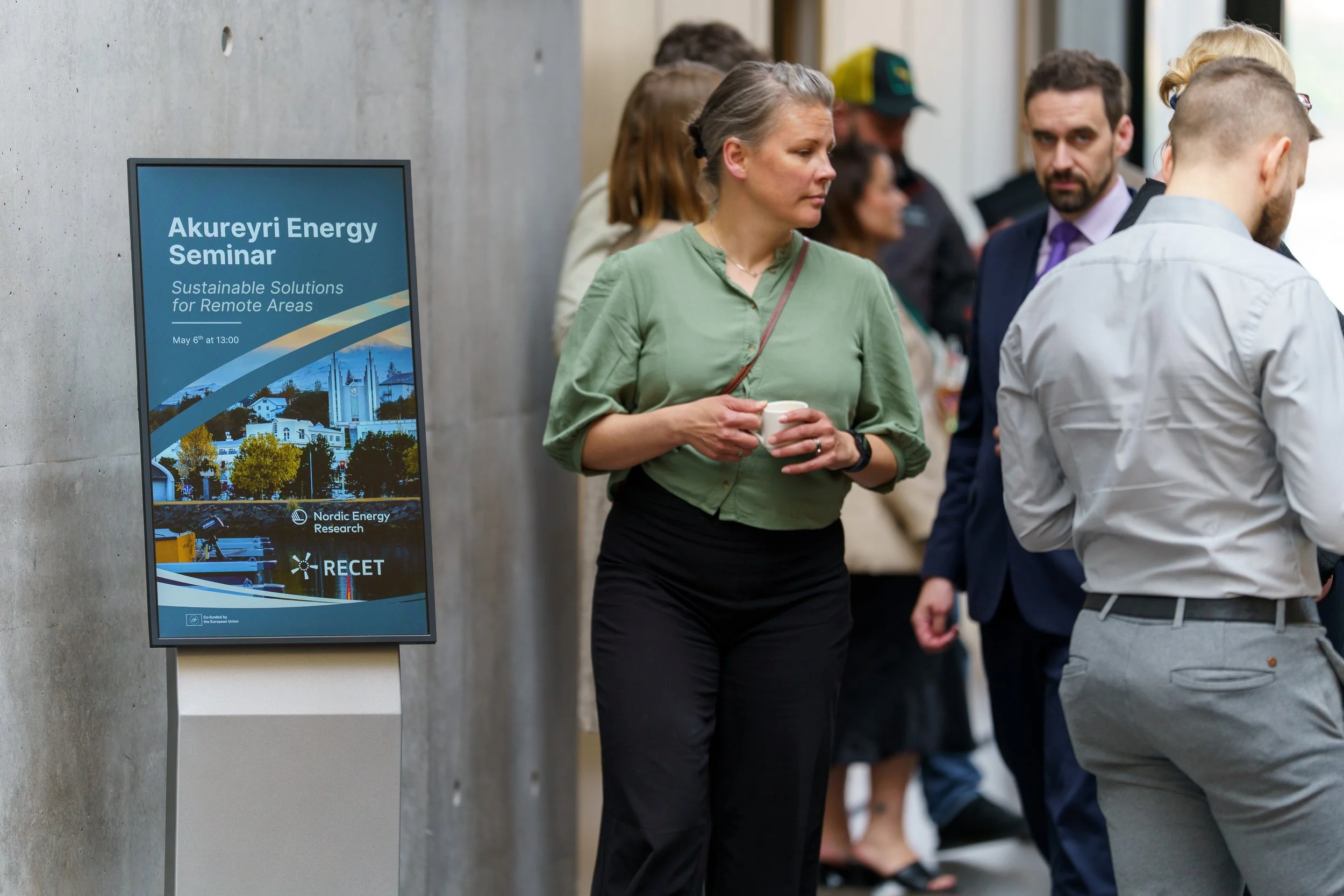
Akureyri Energy Seminar: Sustainable Solutions for Remote Areas
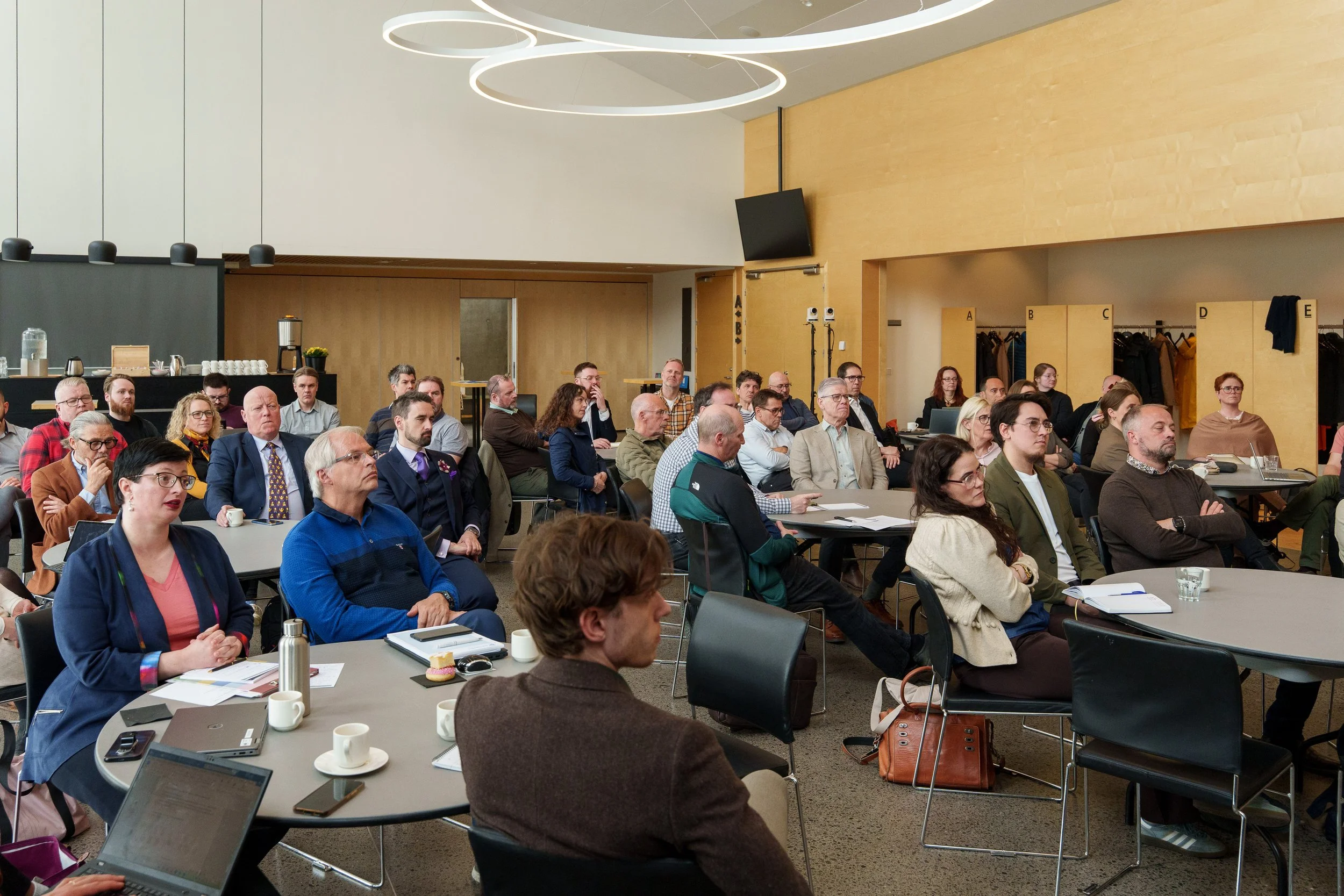
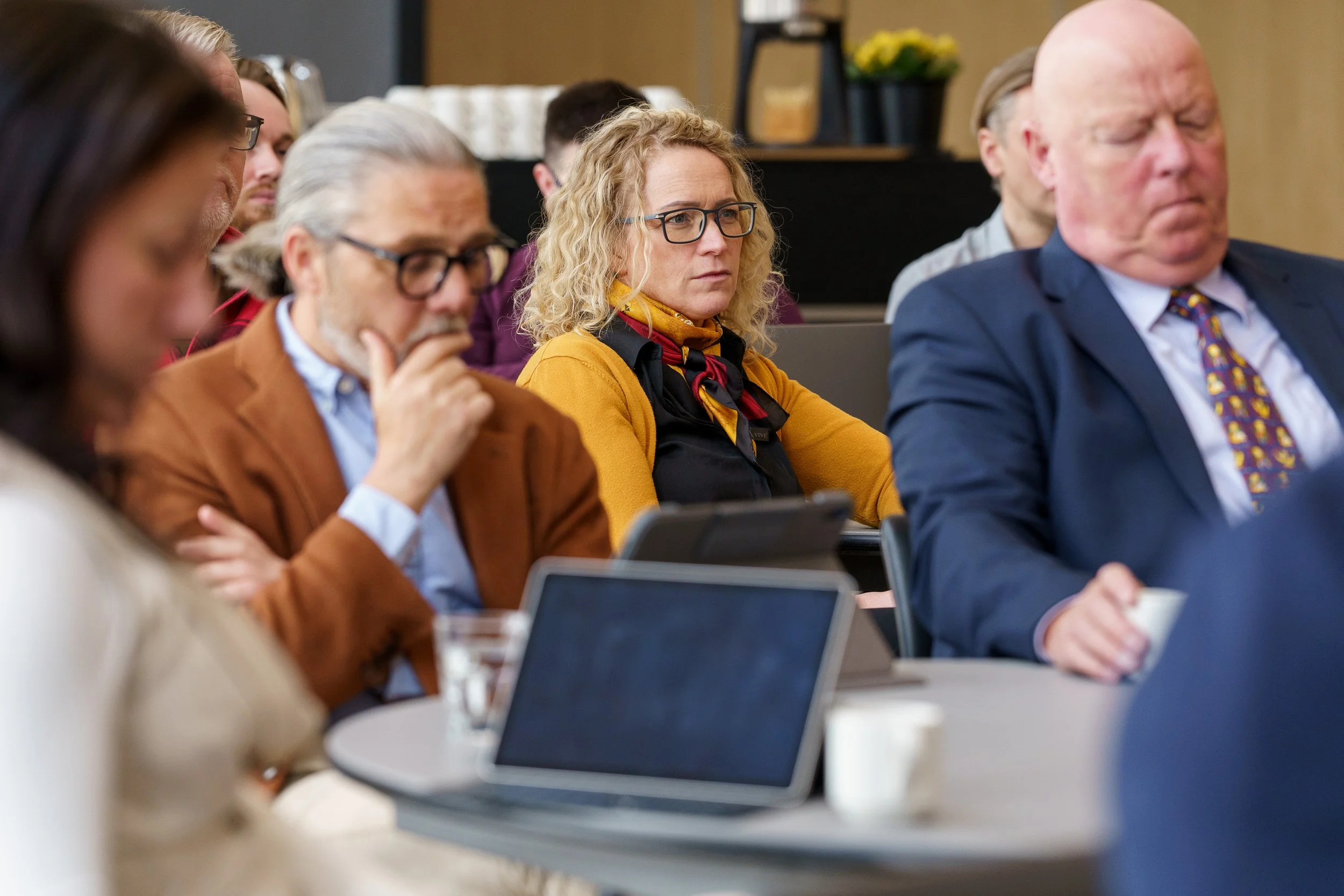
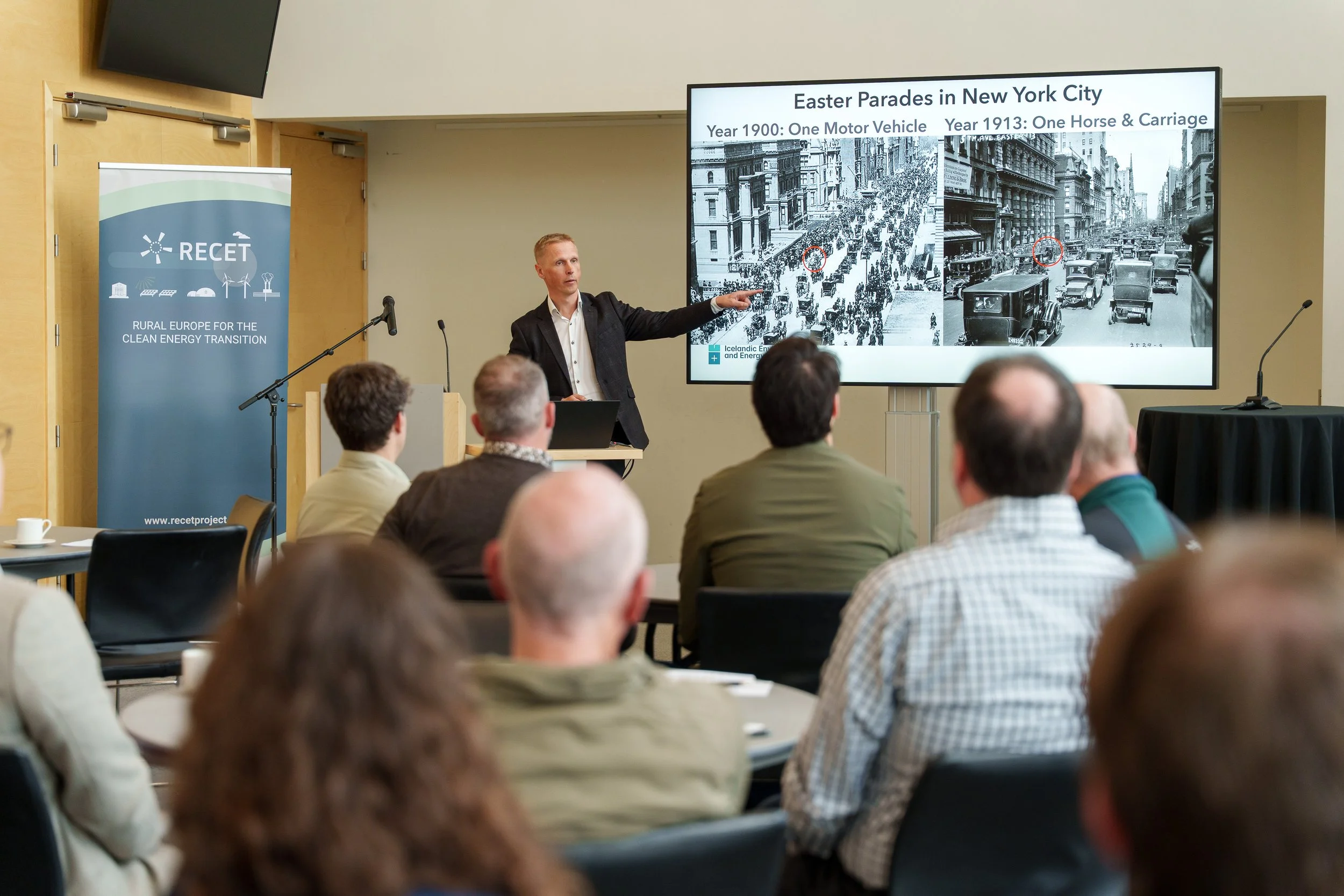
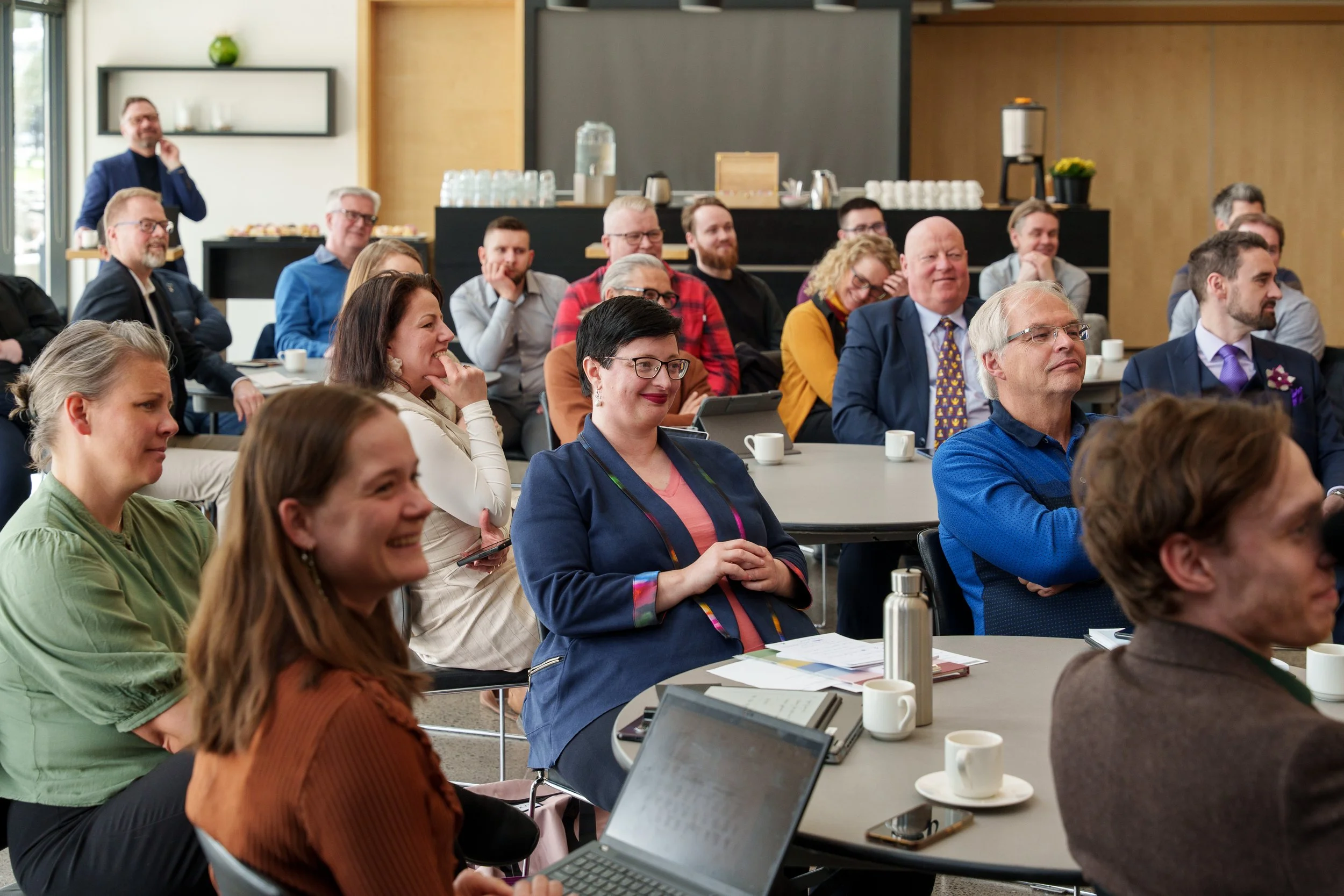
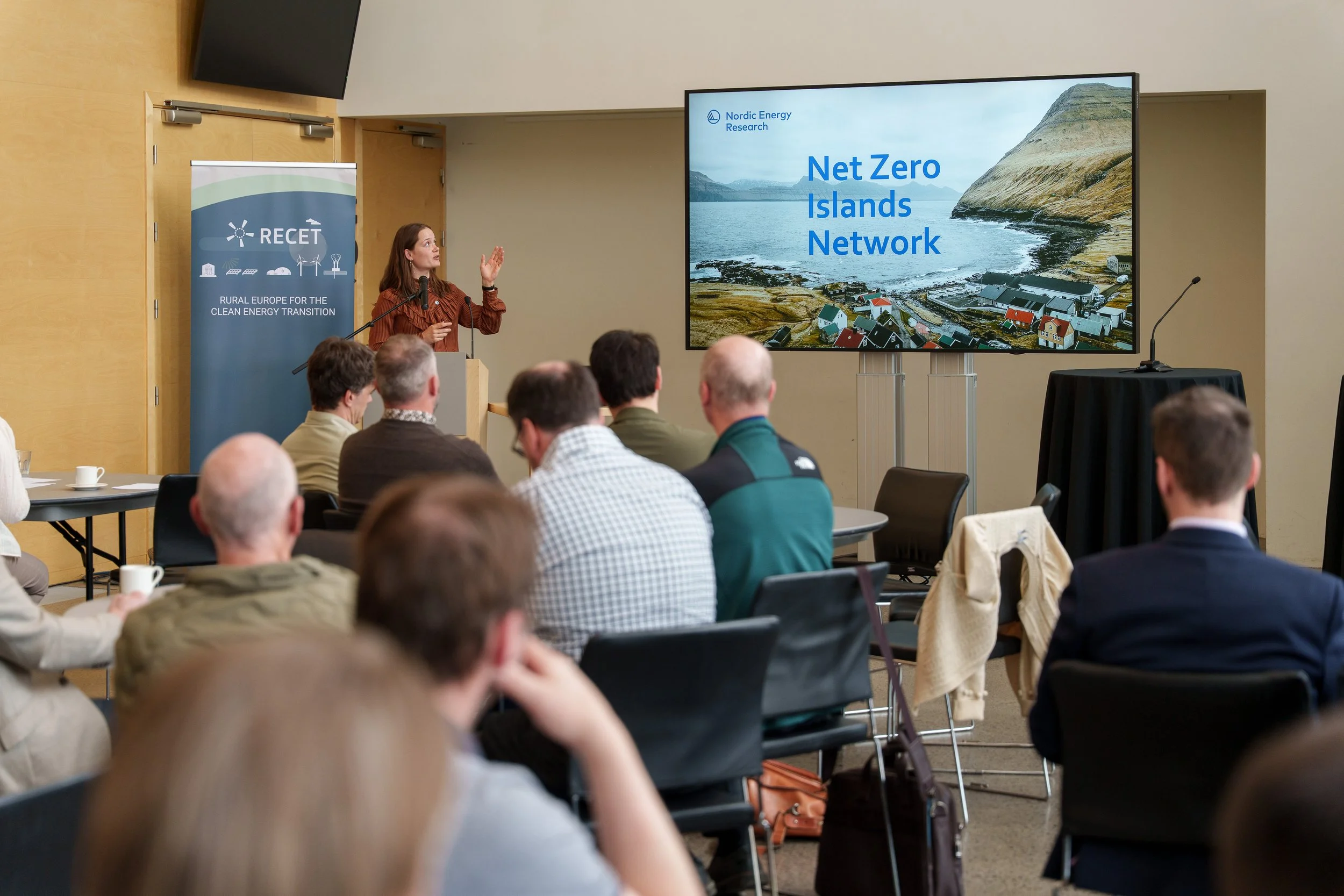
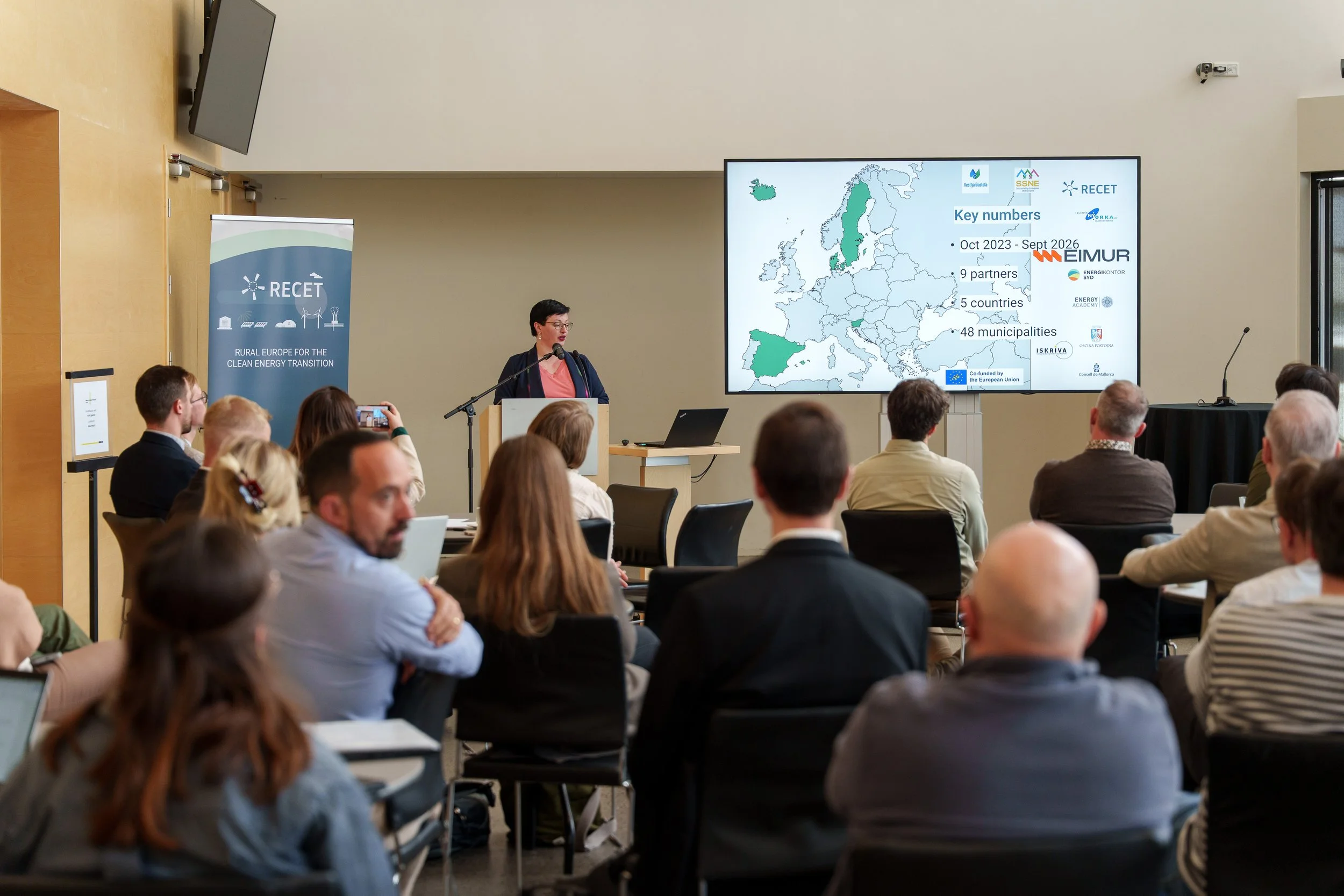
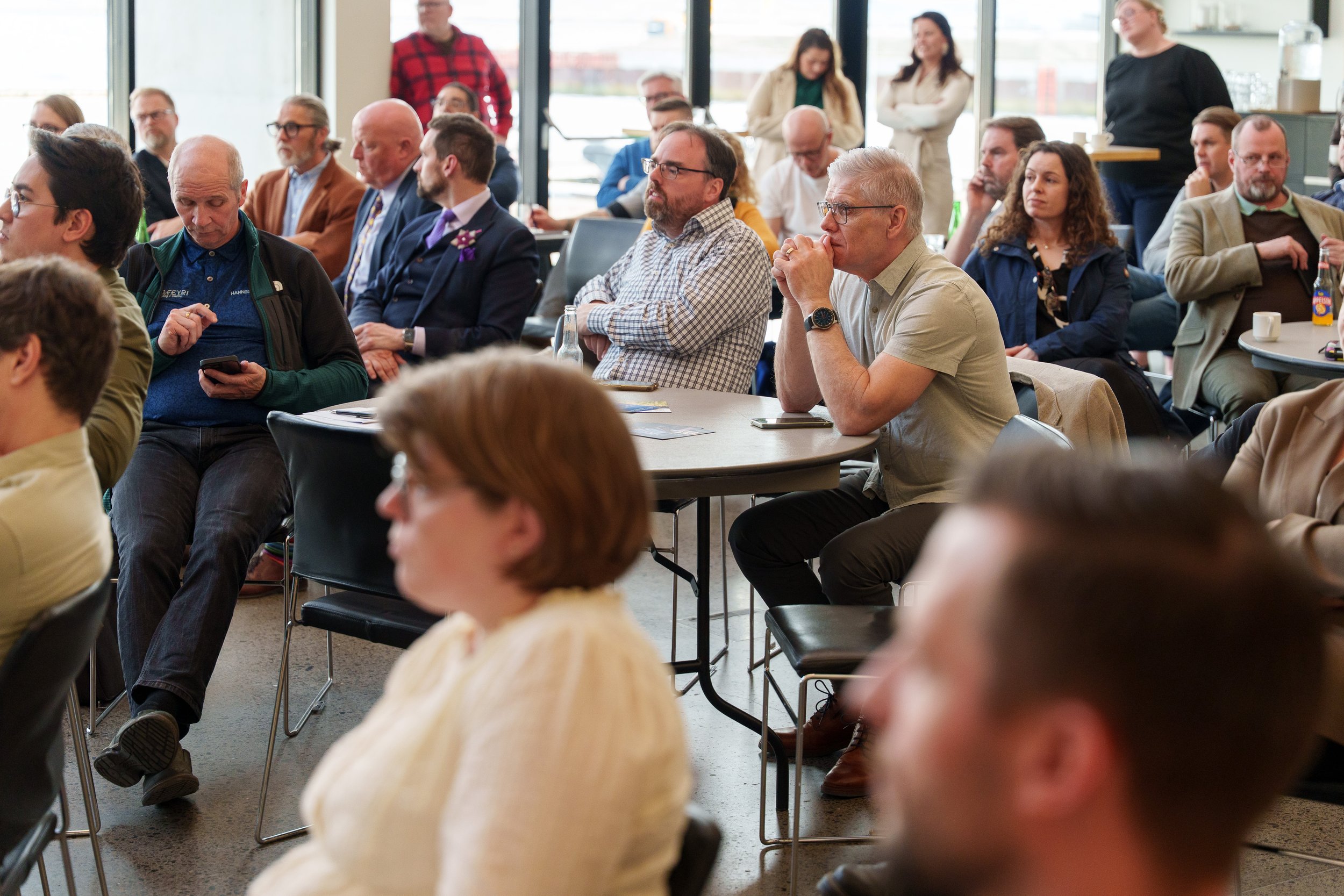
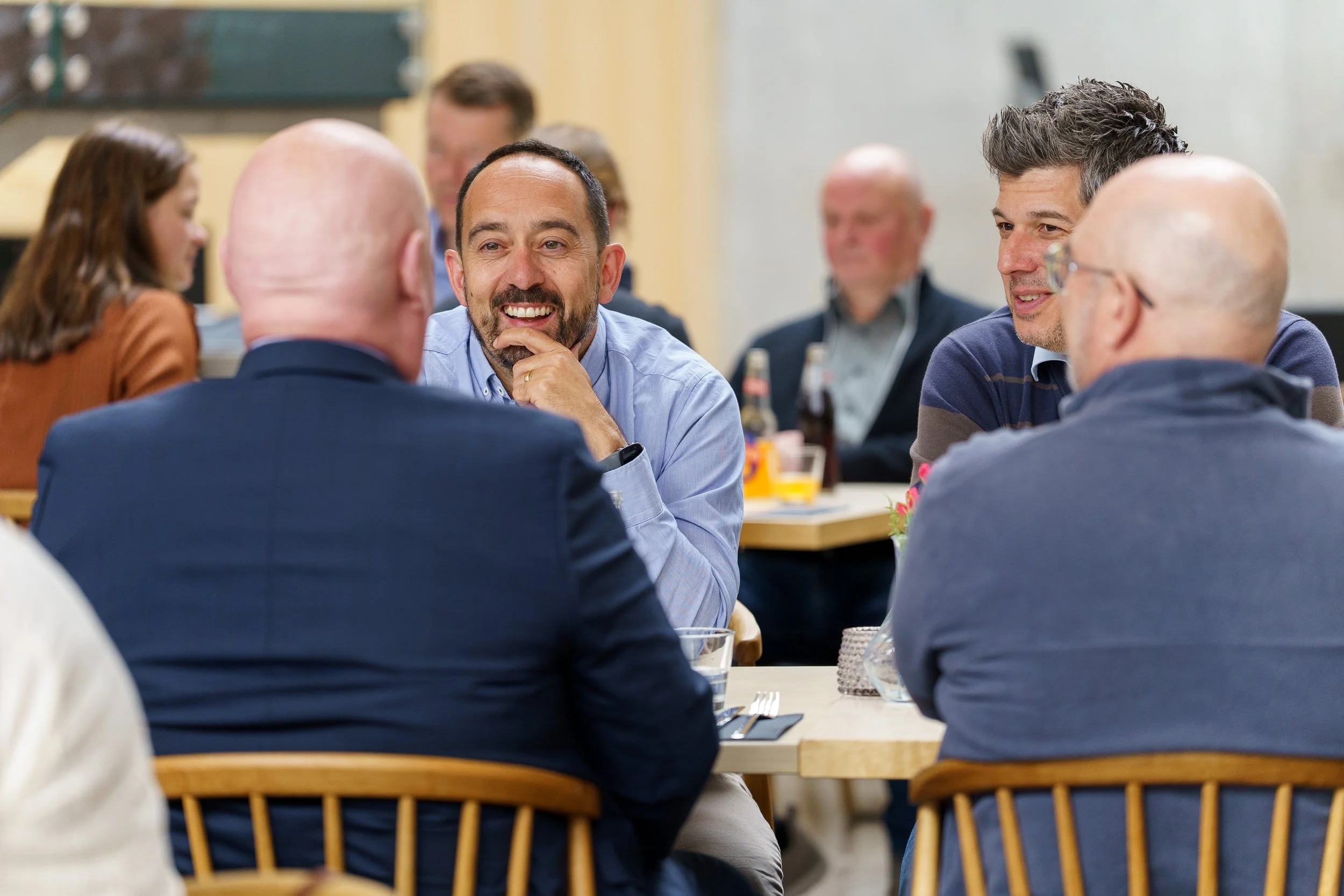
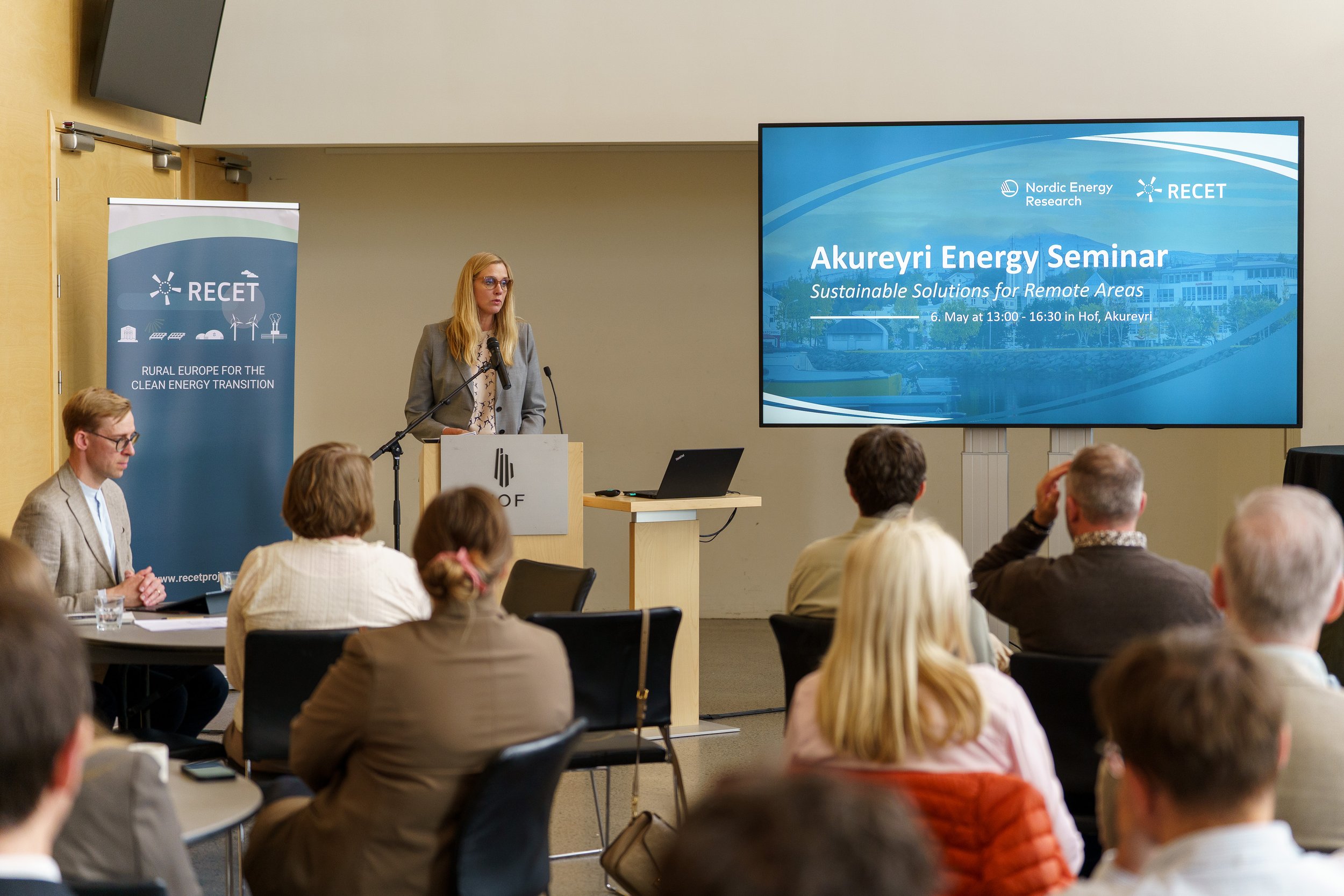
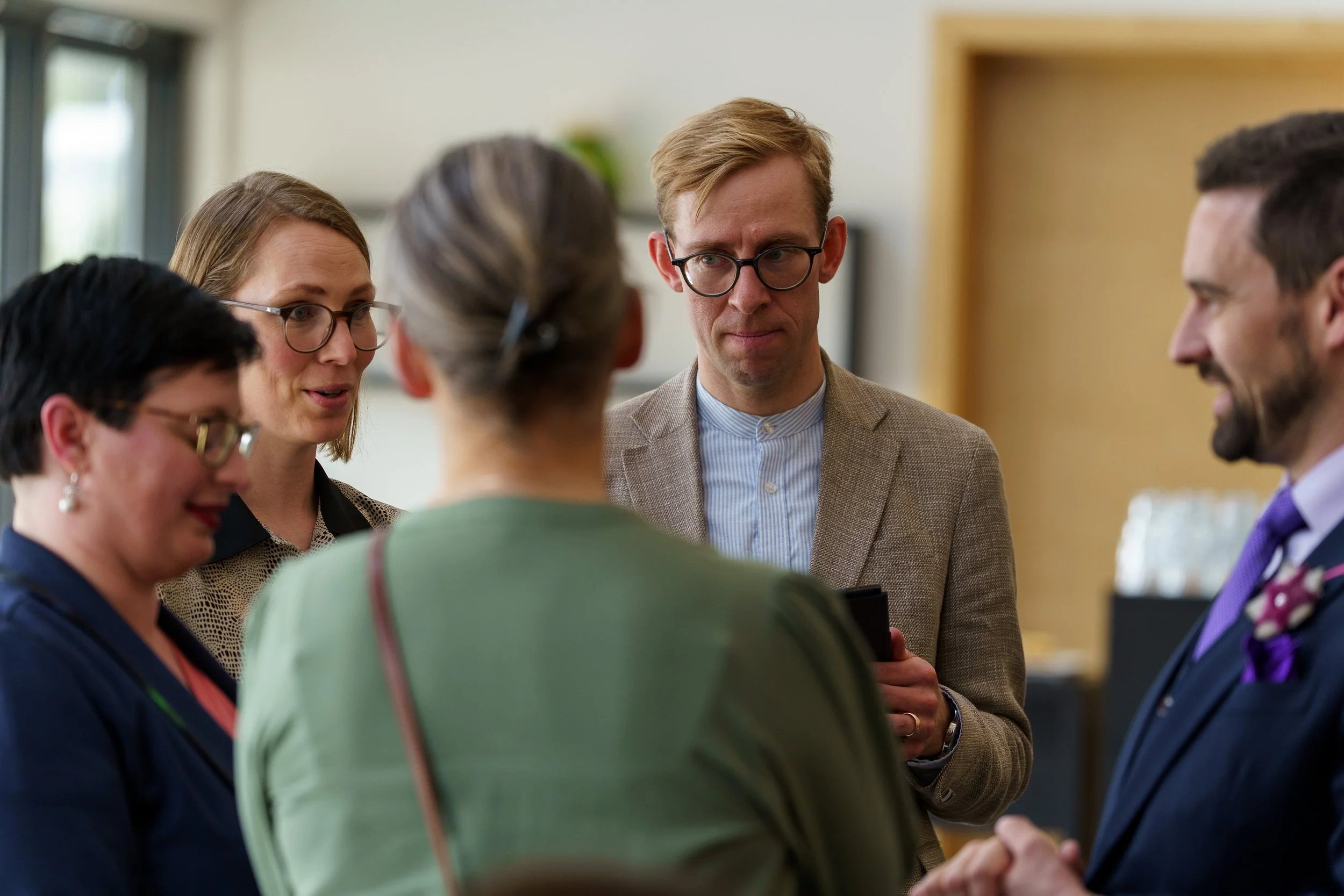
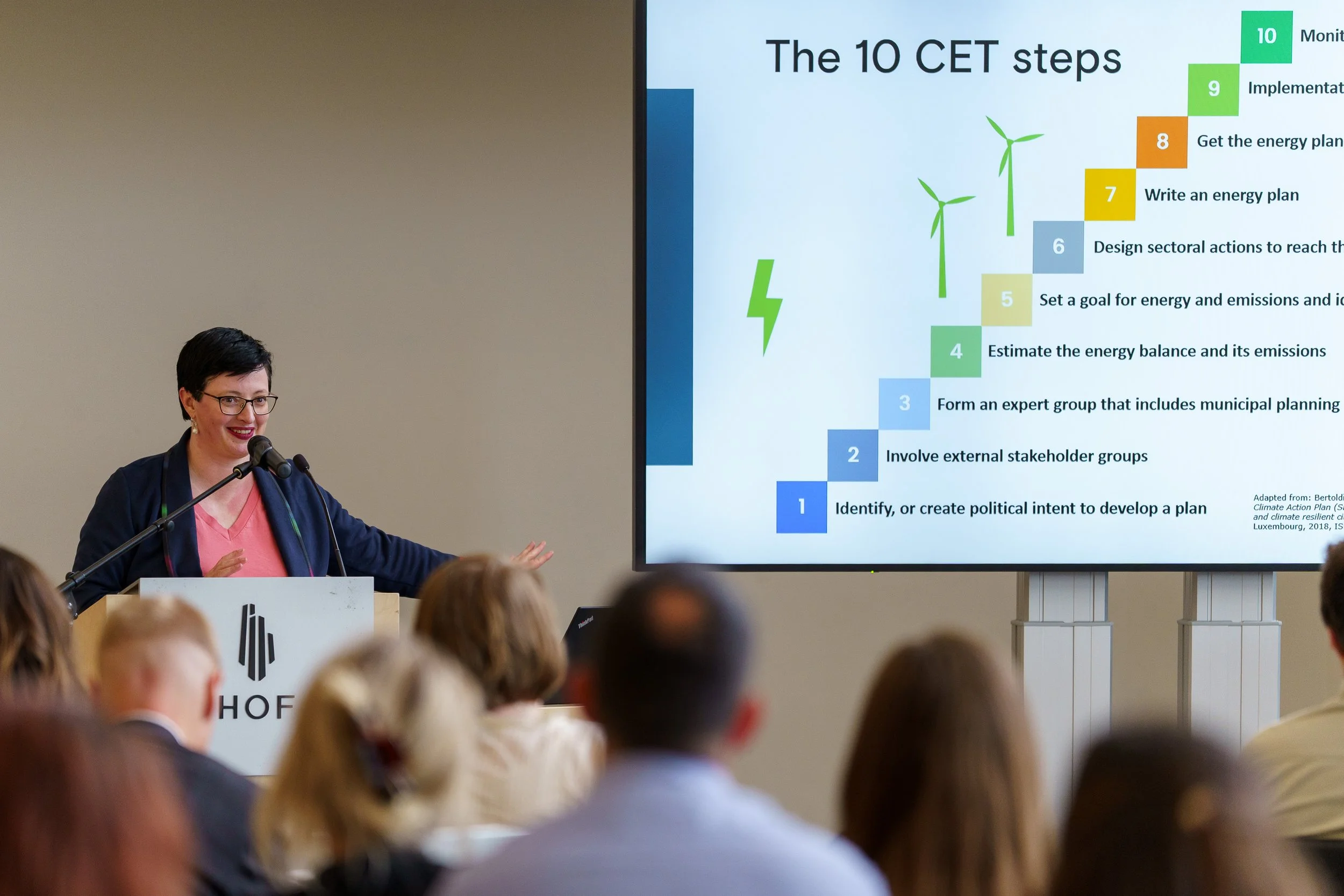
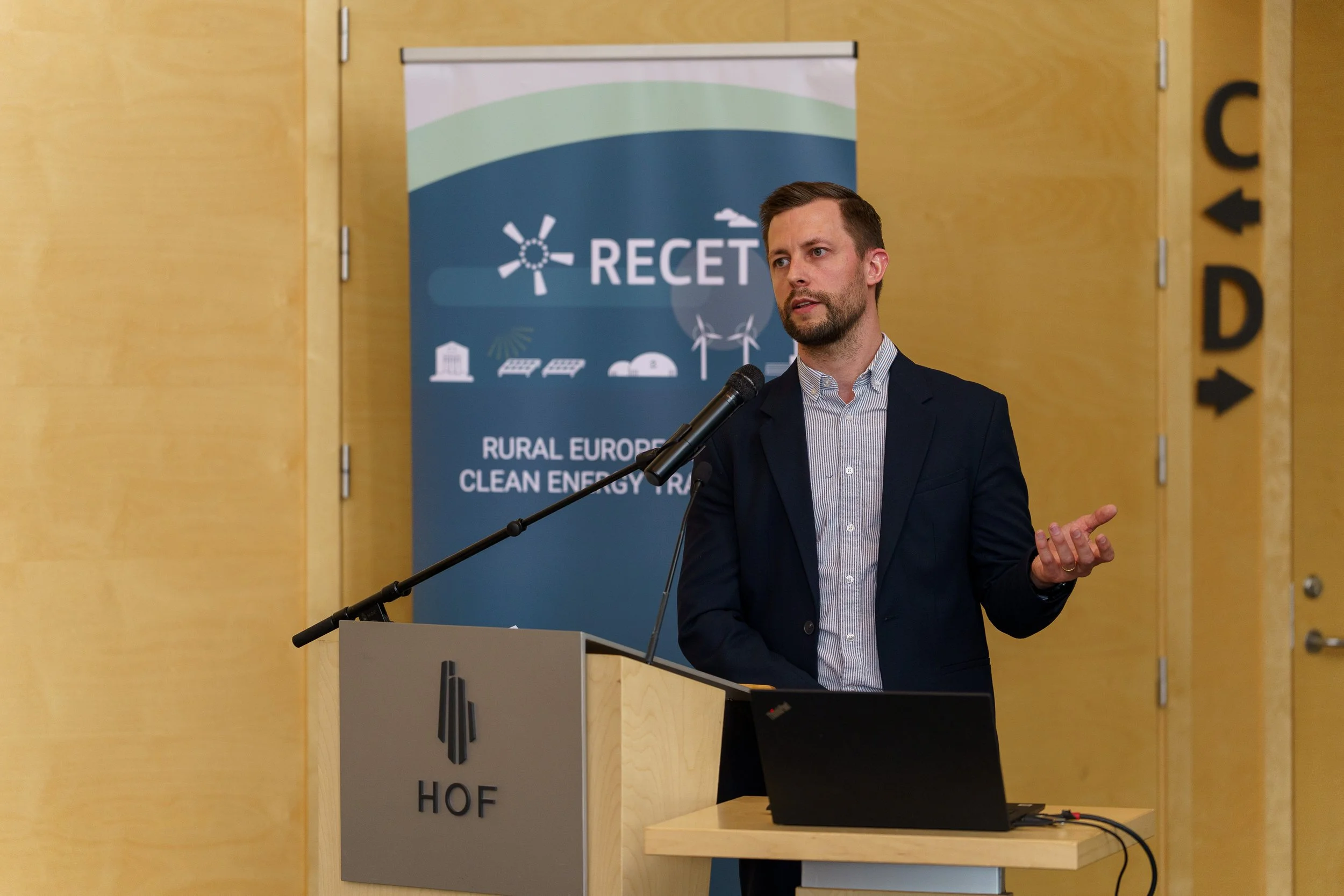
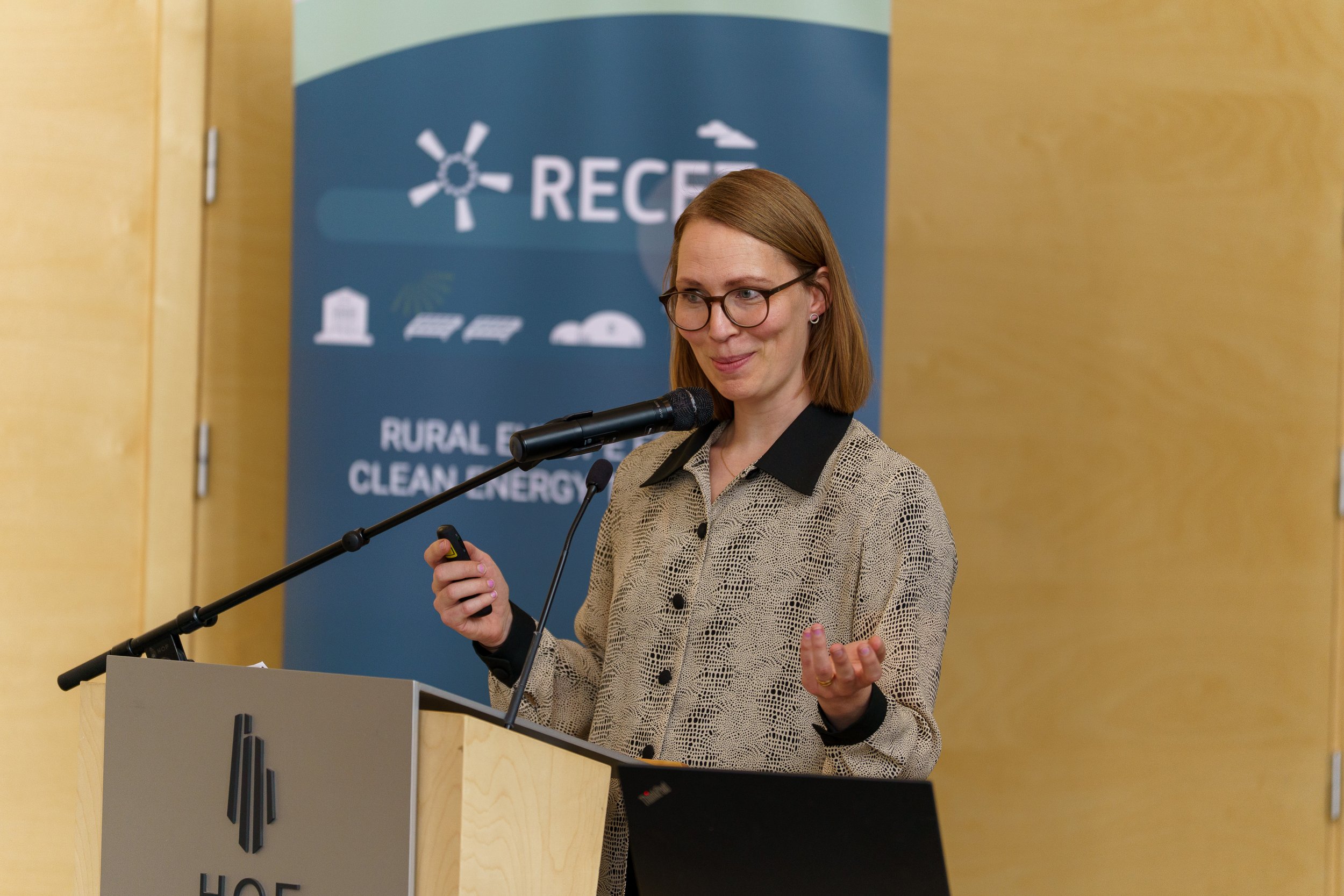
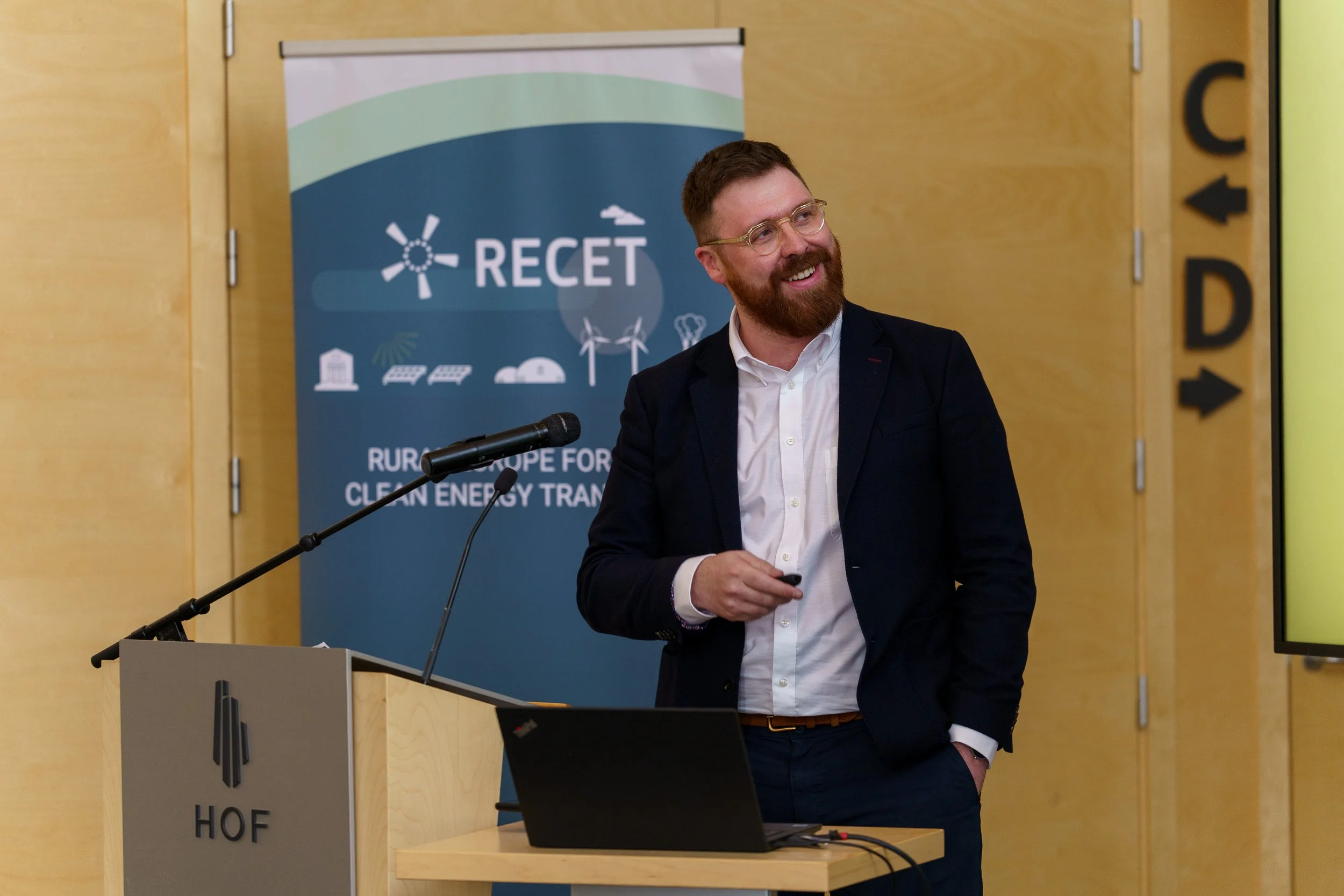
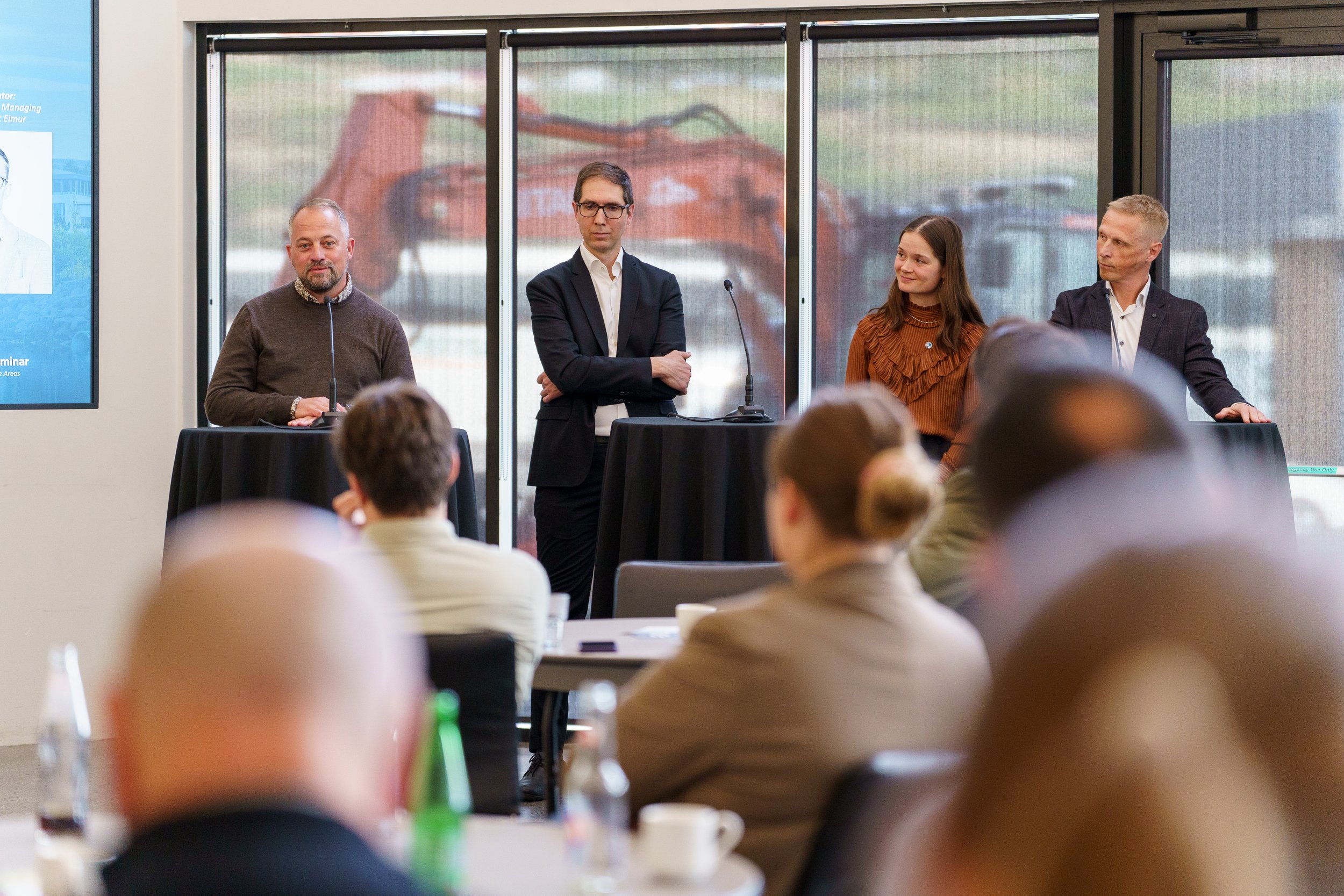
On 6 May 2025, the RECET project and the Net Zero Islands Network joined forces to host a joint international seminar in Akureyri, Iceland, under the title Akureyri Energy Seminar: Sustainable Solutions for Remote Areas. The event took place at Hof Cultural Centre and brought together experts, policymakers, researchers, and practitioners from across Europe and Canada.
The seminar was jointly planned by RECET partners Eimur and Icelandic New Energy, in collaboration with Nordic Energy Research and the Environment and Energy Agency Iceland.
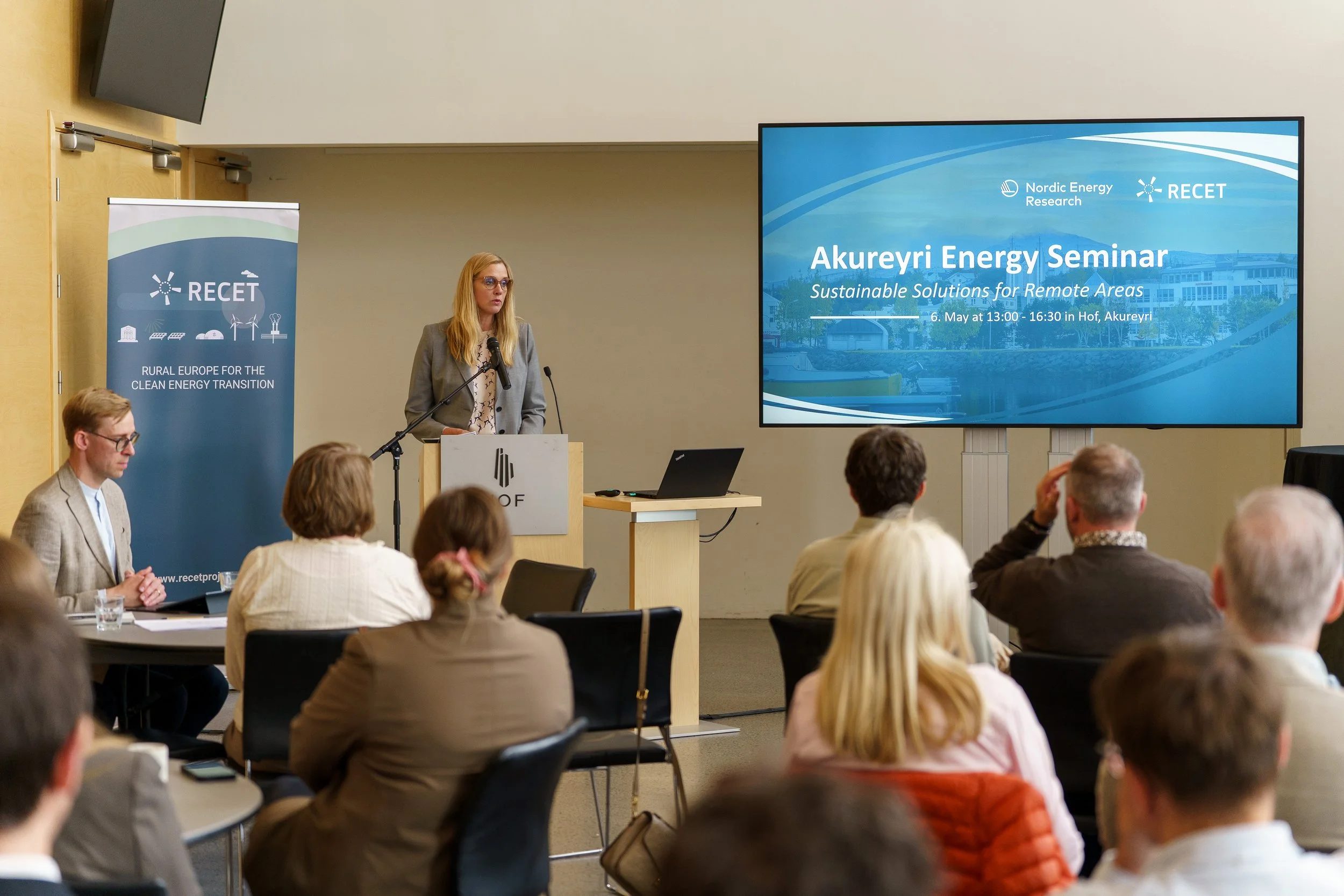
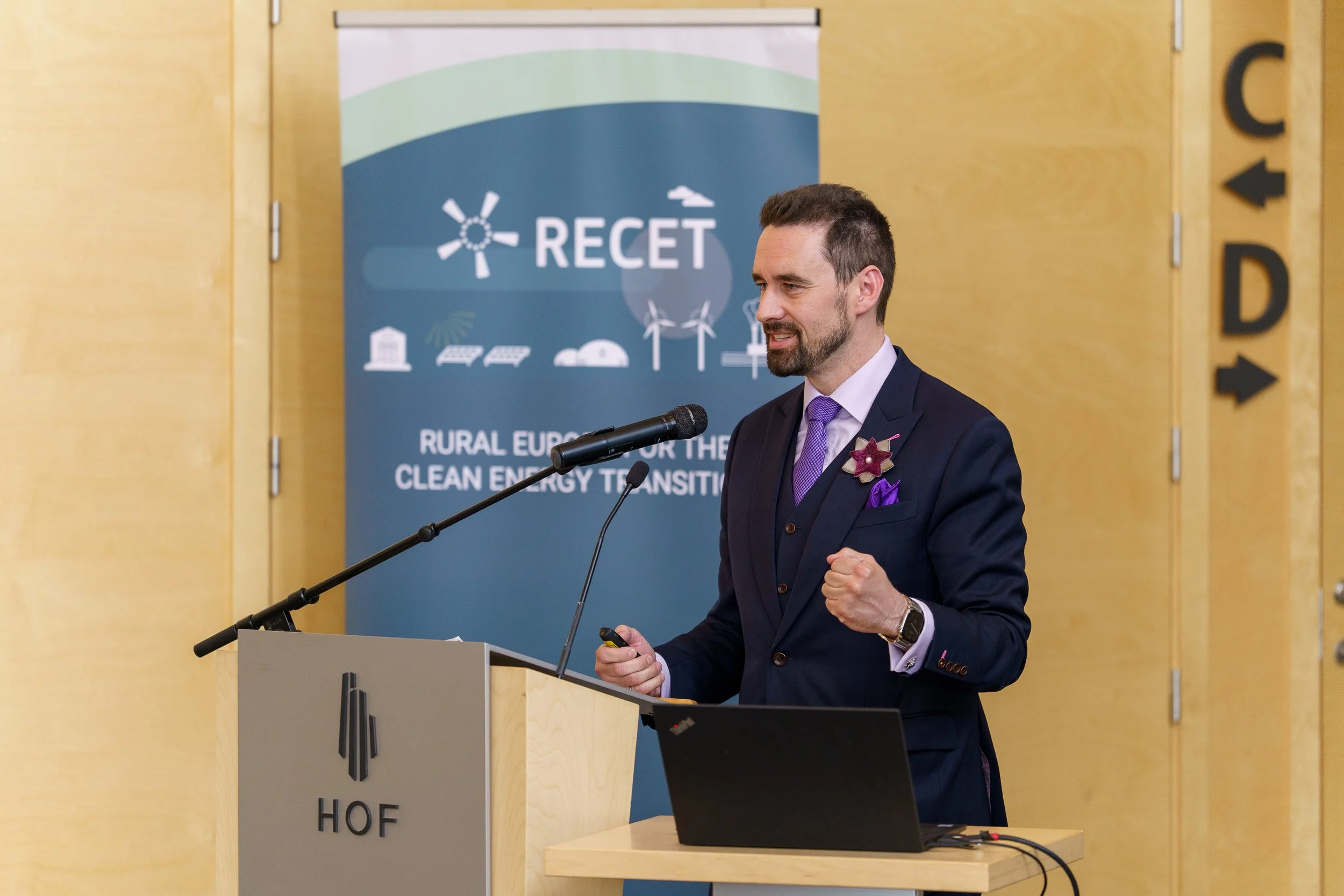
Ásthildur Sturludóttir, mayor of Akureyri
Opening the seminar, Akureyri Mayor Ásthildur Sturludóttir set the tone with a clear message: “The energy transition must reach everyone – including islands and remote areas.” This message resonated strongly throughout the day, as discussions repeatedly highlighted that energy transitions in rural, remote, and island communities come with unique challenges that require tailored solutions.
Learning from islands and rural regions across the world
Participants heard success stories and lessons learned from regions including Denmark, Sweden, Finland (Åland), Scotland (Shetland), Canada, and Iceland. The programme combined keynote presentations and panel discussions focusing on how energy transitions can be designed to work for smaller communities with limited resources and capacity.
Representatives from the Samsø Energy Academy shared the well-known example of the Danish island of Samsø, where strong public participation and local ownership have been central to achieving energy self-sufficiency. Similar themes were echoed by speakers from the Shetland Islands, where community ownership has played a decisive role in building social acceptance for energy projects.
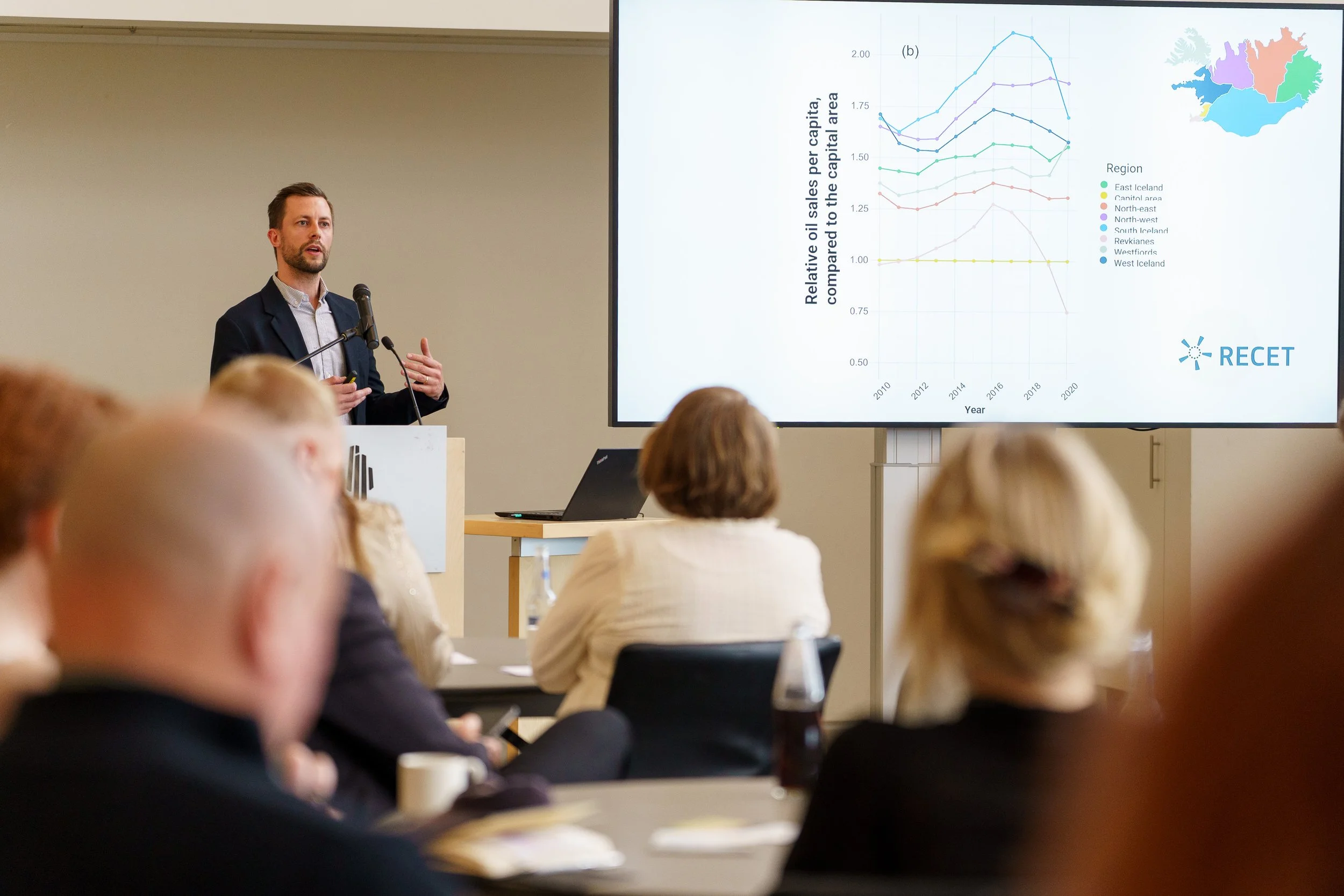
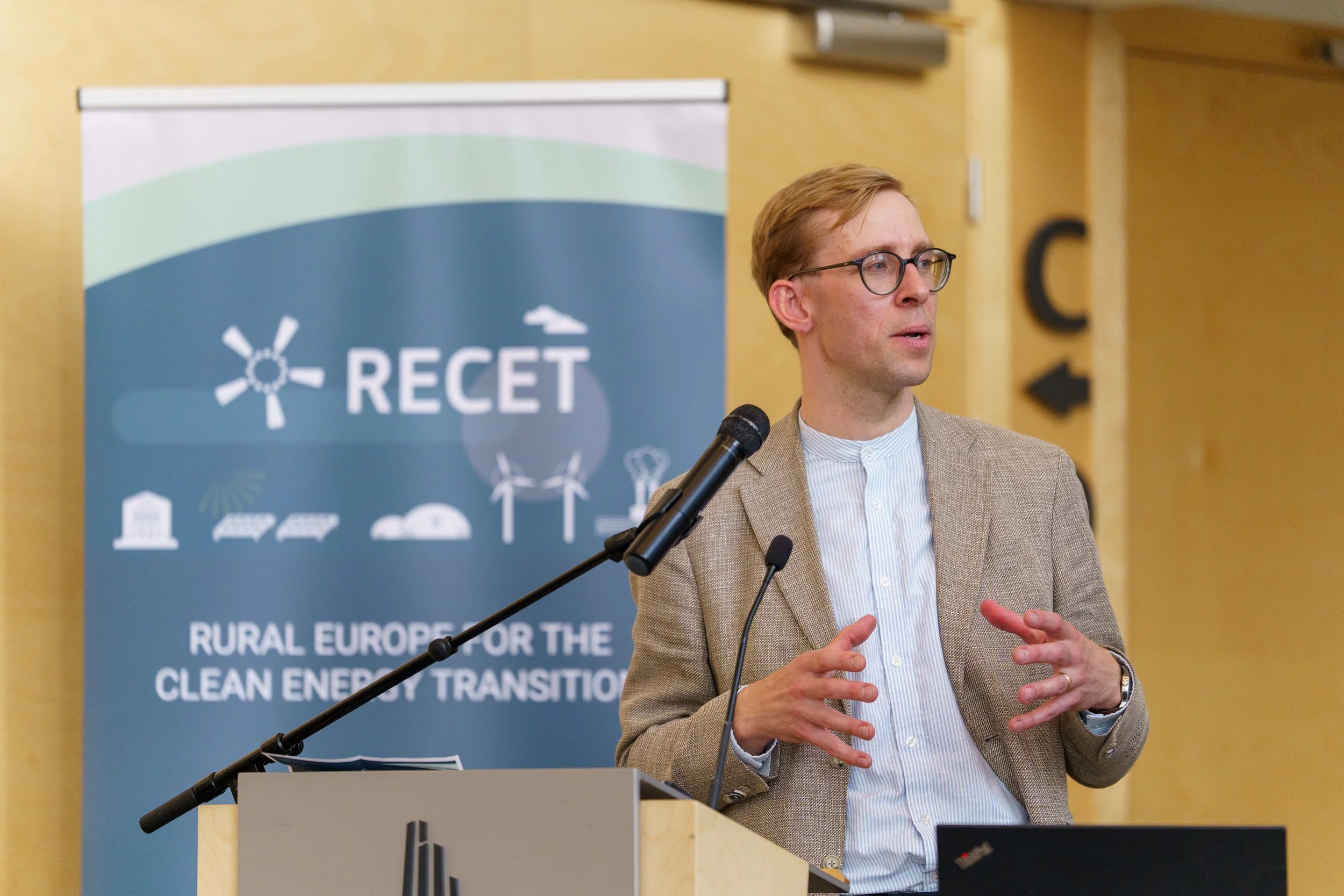
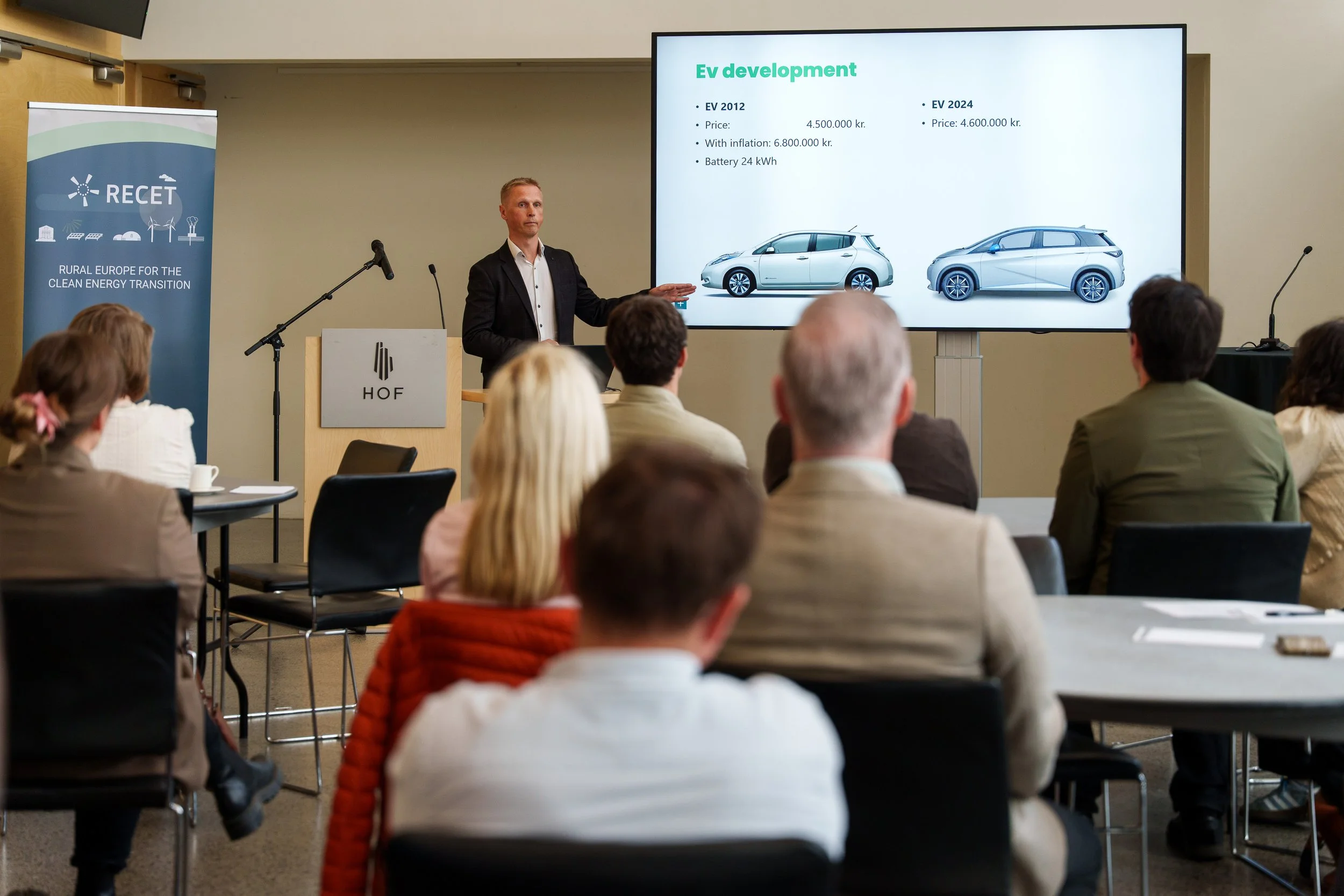
From Iceland, Sigurður Friðleifsson from the Environment and Energy Agency Iceland discussed national energy transition pathways and opportunities in transport electrification. Skúli Gunnar Árnason from Eimur highlighted how fuel taxes disproportionately affect rural areas and underlined the importance of fair and just policy design.
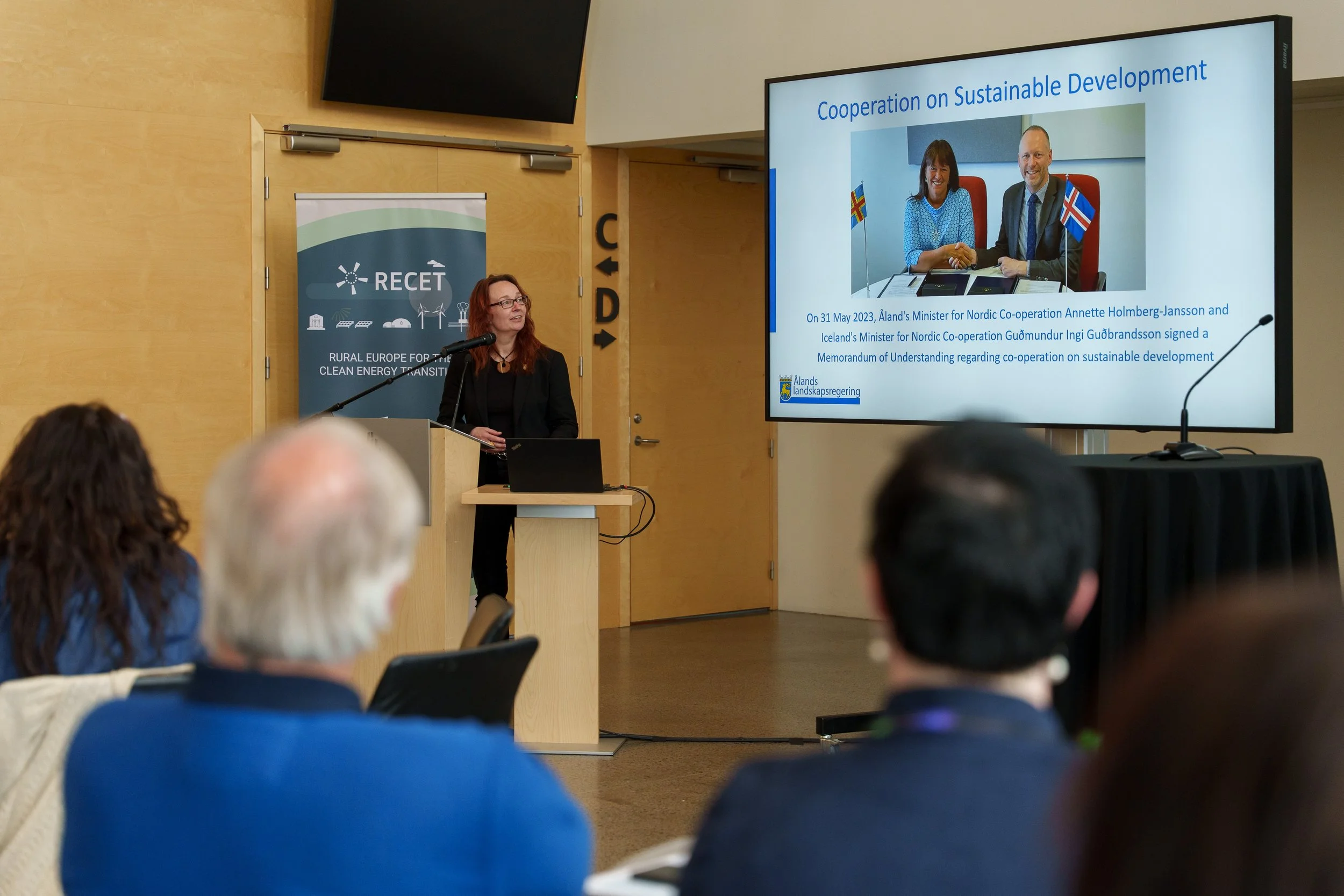
Regional perspectives were also shared from Blekinge in Sweden and Scotland, where speakers demonstrated the value of coordinated regional energy planning and alignment between municipalities. From the Åland Islands, Yvonne Østerlund presented a holistic sustainability strategy that places social prosperity at the centre of the energy transition. The Canadian perspective was brought by Michael Ross from Yukon University, who spoke about energy transitions in Nunavut and the significantly higher costs faced by northern and remote regions.
Key takeaways from the seminar
Several common themes emerged across presentations and discussions:
Energy transitions are often more expensive in rural, remote, and island communities and require skills and capacity that smaller communities may lack.
The energy transition is a societal transition, not merely a technical one — communities must be met where they are.
Trust is a critical ingredient for change; as one speaker noted, “change happens at the speed of trust.”
Community ownership remains a gold standard for achieving social acceptance and ensuring local benefits.
While rural communities may be small, this can be a strength, allowing change to happen faster than in larger urban systems.
RECET partners meet in Akureyri
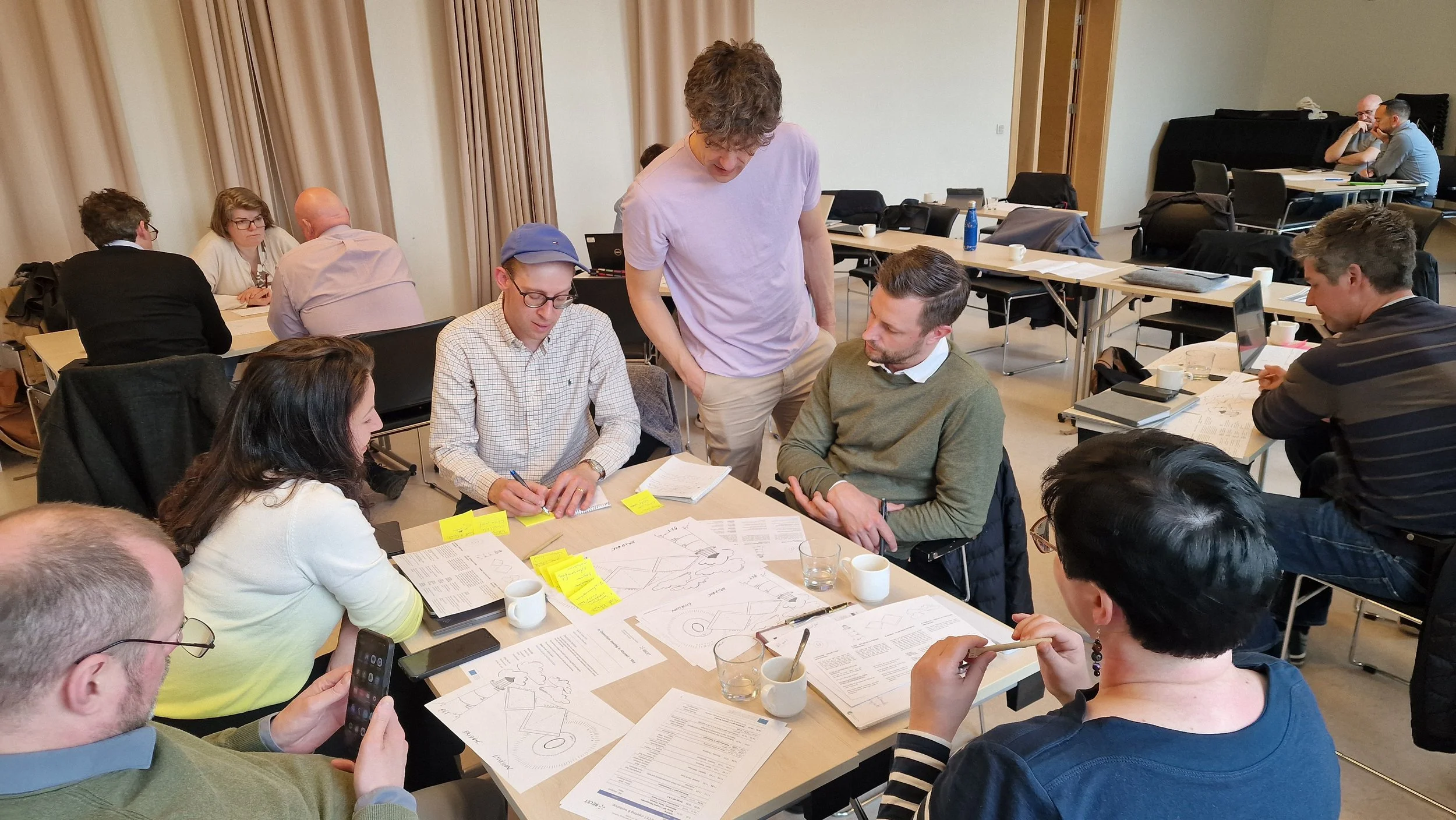
The day before the seminar, on 5 May, RECET partners gathered for a project meeting in Akureyri. Partners shared progress, challenges, and practical experiences from their home regions — ranging from the Westfjords and North Iceland to Blekinge (Sweden), Menorca (Spain), Postojna (Slovenia), and Samsø (Denmark). Discussions highlighted the importance of learning not only from flagship examples but also from the real-world challenges faced by smaller communities.
A recurring observation was that, in many European countries, stronger coordination between national, regional, and local governance levels helps translate climate and energy goals into concrete municipal action. Participants noted that improving such coordination remains an important challenge in Iceland.
Cooperation as a driver for successful energy transitions
The Akureyri Energy Seminar demonstrated the importance of integrating social considerations into energy planning for rural and island regions. Successful energy transitions must be closely linked to broader visions for local development, employment, and community well-being.
Eimur extends sincere thanks to all partners and contributors — especially Nordic Energy Research and the Environment and Energy Agency Iceland — as well as to all speakers and participants who contributed to both the seminar and the RECET project meeting.
📺 A recording of the seminar is available online: https://www.youtube.com/watch?v=06zaieIfMek&t=481s