Lessons from Iceland
Municipal workshops in 2025 and CET action bank
In the fall 2024 Eimur and SSNE held a series of five workshops with 10 municipalities in Northeast Iceland. The aim was to pinpoint realistic clean energy transition and climate actions with the participants, and to understand barriers for implementation.
In each workshop, participants were asked to describe their society in 5 and 15 years, emphasising clean energy and a climate friendly future, creating a future vision for the municipality. Building on this future vision, participants were to identify actions that would need to be taken in order to realise this future vision. Special emphasis was laid on spatial planning, and how good planning can accelerate the clean energy transition. Guided by the workshop facilitators participants brought their lens closer to the present, discussing which immediate actions could underpin lesser use of fossil fuel and how their municipality could support such a transition.
Having gone through this exercise with multiple participants from various municipalities in the Northeast, we were left with a multitude of different clean energy actions identified by the people working within the municipal sector (both politically elected as well as municipal staff).
In collaboration with SSNE and Vestfjarðastofa, these actions were collected into an accessible action bank for energy and efficiency related actions. Currently the bank totals 49 individual actions co-created by the workshop participants. The actions are categorised into five thematic categories “energy transition”, “municipal operations”, “transport mode shift”, “energy efficiency”, “education”. The objective of each action is described, and a suggestion is given for implementation. In the Icelandic version of the action bank, individual actions are connected to the national climate action plan where applicable.
This action bank is an essential tool in the creation of a clean energy and climate action plan currently being developed within RECET for the North-East of Iceland.
The action bank will soon be made available freely on the web!
Energy Communities – Taking Local Power into Local Hands
An energy community is a group of people who join forces to manage their own energy needs, partly or fully. Across Europe, such initiatives have grown rapidly, supported by EU legislation that recognizes them as participants in the electricity market. Residents in a neighborhood or region can collaborate to address local energy challenges, such as heating or solar power generation, through shared solutions.
While this model is still new in Iceland, rising electricity and transmission costs have sparked growing interest, especially in rural areas where energy is significantly more expensive than in urban centers. In some parts of the country without district heating, known as cold areas, homes rely on electricity for heating, leading to high energy bills.
One such area is Kelduhverfi in North Iceland, where Eimur, under the RECET project, held a community meeting on energy communities and solar power in early 2025.
The event was well attended and resulted in the creation of the Kelduhverfi Energy Cooperative, established to explore ways to reduce local energy costs.
The cooperative plans to promote the installation of heat pumps, which can cut electricity use for heating by up to two-thirds compared to direct electric heating, and to experiment with small-scale solar energy systems on farms.
Beyond local savings, reduced electricity use in such rural areas also lowers the national cost of energy subsidies for electric heating. Inspired by similar models across Europe, energy communities like Kelduhverfi’s could eventually enable local energy trading, strengthen energy security, and promote fairer energy distribution across Iceland.
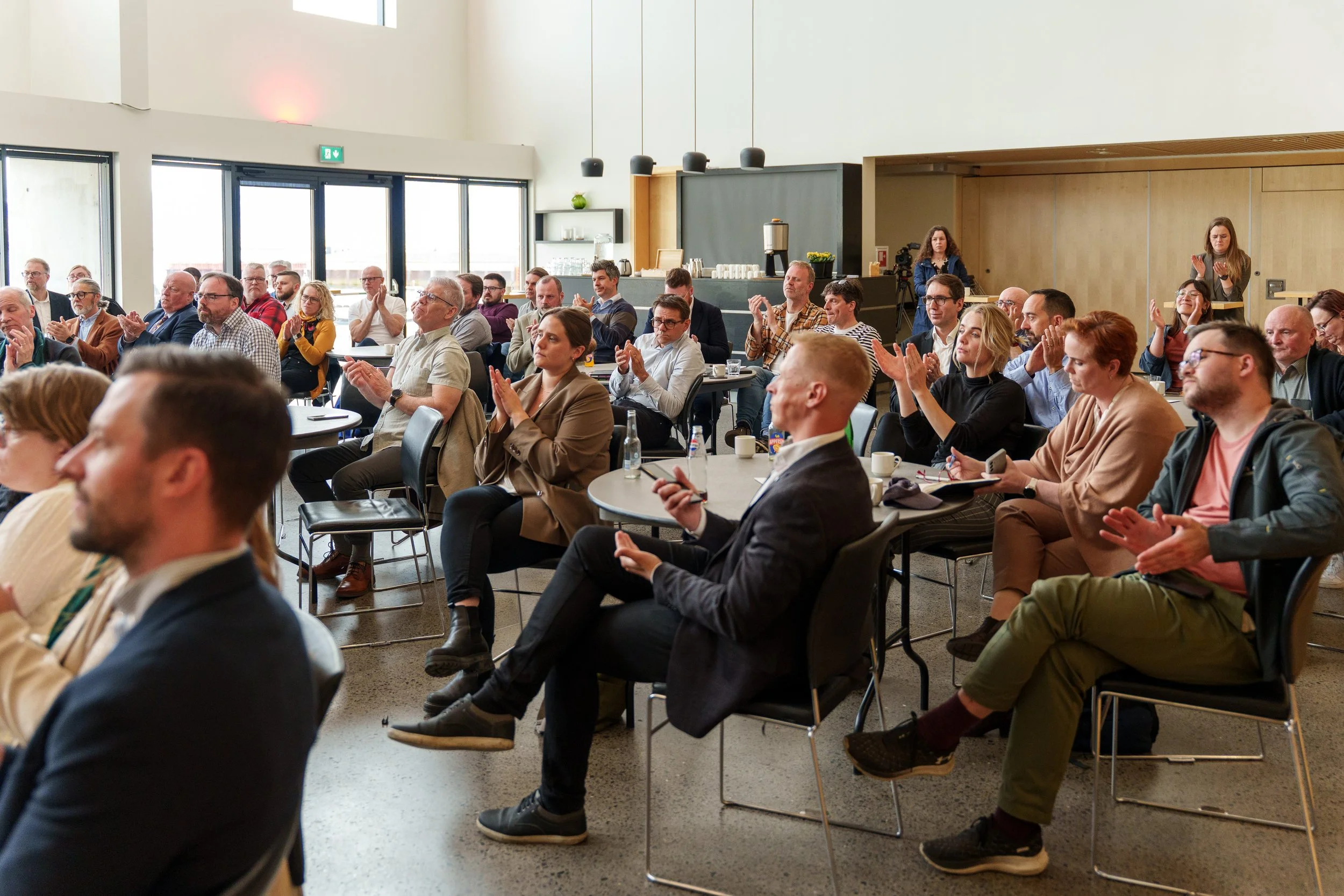
Akureyri Energy Seminar
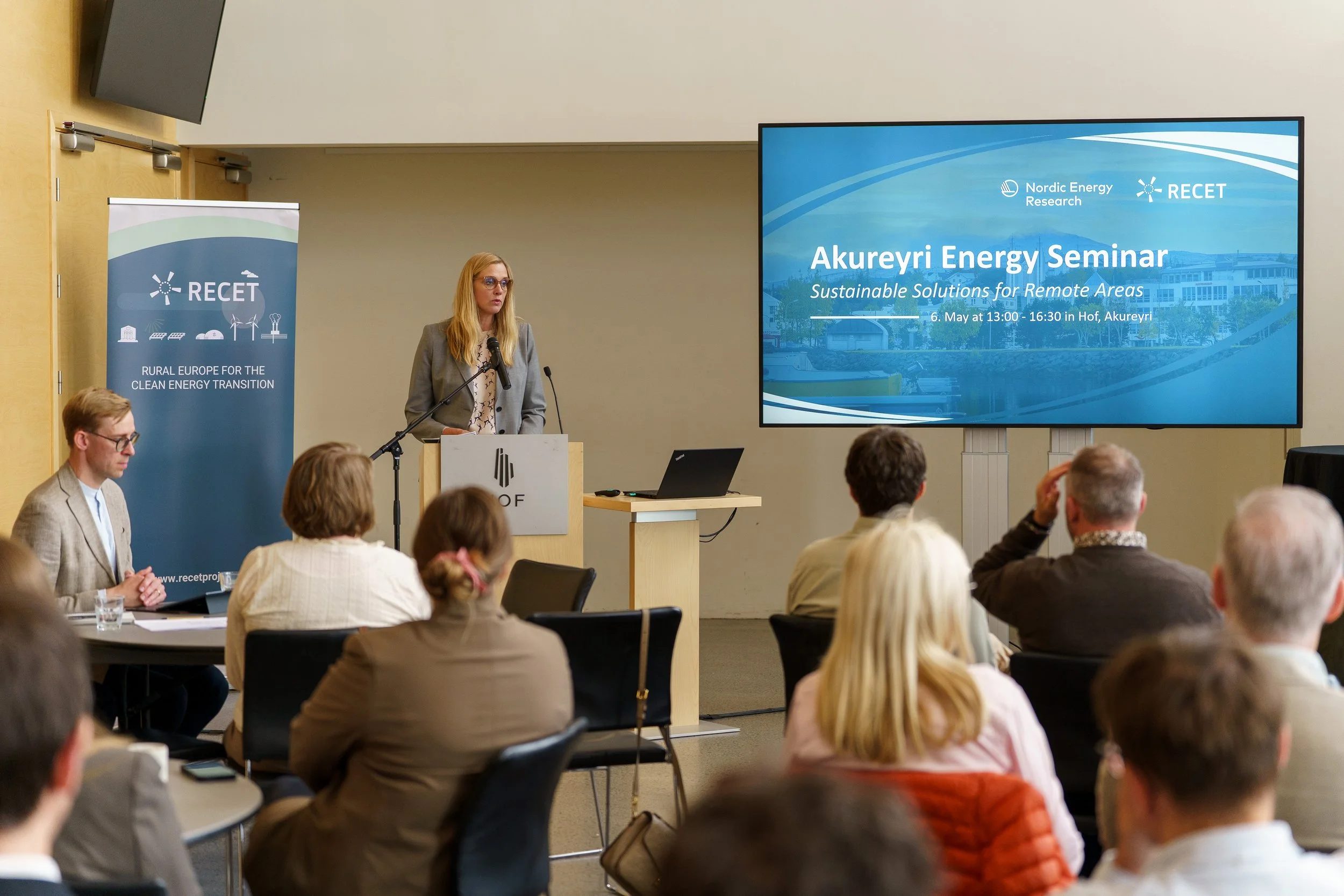
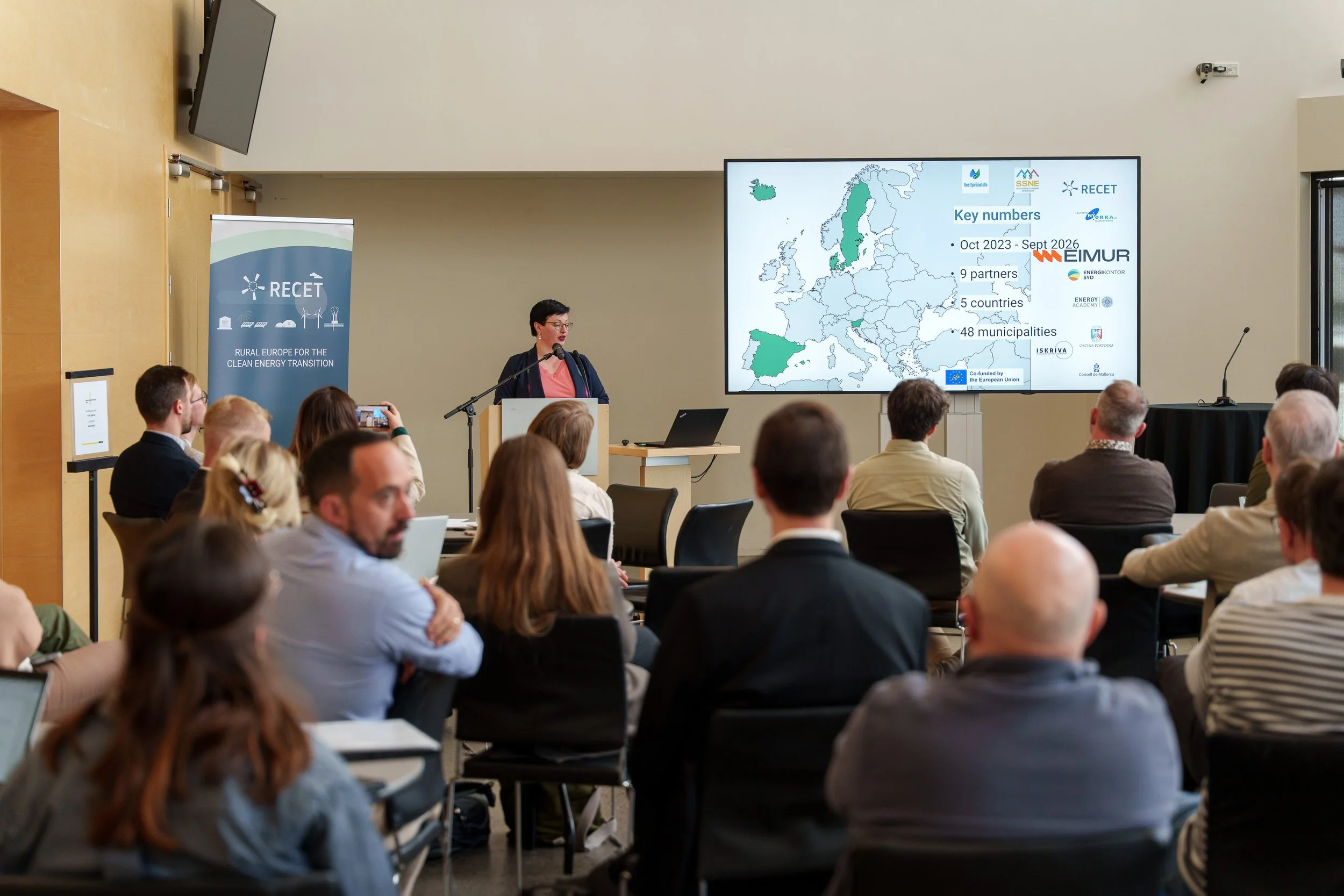
On May the 6th, the RECET project and the NetZero Island Network joined forces and held a joint seminar in Akureyri, under the title Akureyri Energy Seminar: Sustainable Solutions for Remote areas. RECET partners Eimur and Icelandic New Energy took on the planning of the event jointly with Nordic Energy Research and the Environment and Energy Agency Iceland.
During the seminar participants heard success stories from Denmark, Canada, Åland, Sweden, Shetland and more places and gained insights into developing process for societal sustainability strategies in different regions.
Key takeaways from the seminar were:
Energy transitions are more expensive in rural, remote and islanded communities, and often require skill and capacity which smaller communities often lack.
In order to drive such energy transitions, society must find mutual benefit. Despite smallness of many rural communities, the size can become a strength and change can happen at a much faster pace as compared to larger urban societies. This is why the social prosperity is no 1 on the sustainability agenda of the Åland Islands.
The energy transition is a societal transition, rather than a mere technical one. This is a common misconception. Societies must be met where they are.
Trust is a necessary (and sometimes also a sufficient) ingredient for driving change: "change happens at the speed of trust".
Community ownership is the gold standard, when it comes to achieving social acceptance for energy production as has been apparent through the development of energy projects in the Shetlands where the local community gets their share of local energy production. This is also a known truth from the Danish Island of Samsø where windmills simply look better if you own a share in them.
Energy related analysis for the energy transition
Eimur has launched two reports analysing energy affairs in the Icelandic context. The first report released in September 2024 covered the foreseen requirements for the electrification of harbours to sustain the electrification of smaller boats and fishing vessels.
Energy transitions in the country's passenger car fleet are progressing reasonably well, but energy transitions in marine-related activities are considerably less advanced, although there is some growth in this regard across the country. One of the factors that needs to be considered is the expected power demand for electricity at the country's ports. Ships and boats have different power requirements, and it is important to understand which energy sources and carriers are likely to suit each user.
One of the most important conclusions of the report is that there is no major infrastructure problem hindering the energy of smaller boats and ships, in the sense that the current transmission grids and production should sustain the foreseen demand. In some smaller towns, some investment is needed to provide more powerful electrical connections that carry a capacity of 1-3 MW, but in other places, e.g. in Akureyri and in larger towns, the electrical system can handle this as it is set up today.
When it comes to larger ships, the picture is different. We need to think holistically about where large boats should dock in the future, because it is not necessarily a given that all ports should build an electricity system that can accommodate trawlers, cargo ships and cruise ships. It would be sensible to formulate a policy for receiving larger ships in the region of NE-Iceland.
In the second report released in December 2024, oil sales in Iceland were analysed for the period 2010-2020, with a geographical breakdown. This is the first time that such data are made accessible in Iceland.
The report is based on the database of the Oil Products Transport Equalization Fund (ice. Flutningsjöfnunarsjóður olíuvara), which was operated until 2020. Here, oil sales from 2010-2020 are analyzed by region and municipality, and the use classified by type of fuel. This accounts for oil use in land transport, ships and boats, and then other uses that are mostly due to fuel use in small industry and agriculture.
The best measure of the progress of the energy transition is the amount of oil burnt at any given time. After a successful clean energy transition no oil will be burnt. There are no official data on oil consumption in Iceland by region or municipality, and the data that was previously collected are no longer collected.
The main conclusion of the report is that there is considerable variation in oil sales in transport, maritime activities and industry by both regions and municipalities, indicating that oil consumption is generally higher outside the capital region than within it. Government actions supporting the country's energy transition must take this variation into account to ensure that all decision-making within the area applies equally to all residents of the country, regardless of whether they live close to the capital area or not.
This analysis adds a new dimension to the discussion of the energy transition in Iceland and places it in a regional context, where previously data were lacking.
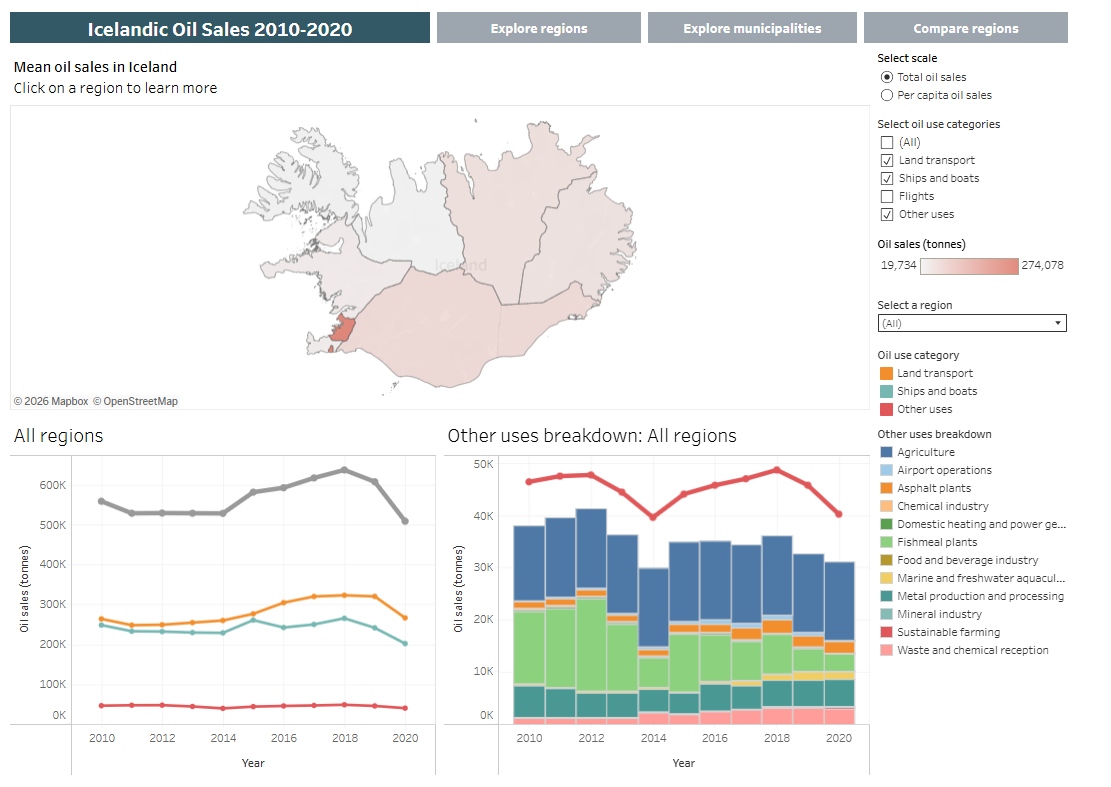
Iceland Fossil Fuel Dashboard
The Iceland Fossil Fuel Dashboard provides insights into fossil fuel sales and consumption in Iceland from 2010–2020. Users can explore the data by region or municipality, fuel type, and quantity, both in total and per capita, and can also save generated graphs.
The dashboard highlights the importance of continuing detailed fossil fuel data collection, which Icelandic authorities no longer conduct. The dashboard was developed following the oil sales report by Eimur and Efla Engineering, with programming by Inbal Armony as part of a final project for the SIT Study Abroad: Climate Change and the Arctic program.
The fossil fuel dashboard is available here

A Regional Climate Policy for Northeast Iceland
In September 2025, work continued for making an action based Climate Policy for Northeast Iceland. All 10 municipalities appointed a representative to take part in this work. The aim was to set focus on few, clear and efficient actions for the municipalities to carry out in the next two years. After that time, all the actions in the Climate Policy will be revised and updated with new actions. All actions are categorised into three groups; energy, landuse and waste. Later the work will also include actions in climate adoption.
The Climate Policy has been created and a set of actions been prioratised. Currently, the Policy is in an approval process amongst the municipalites.
The biggest opportunities for the region to reduce it‘s climate footprint lie in projects that restore wetlands, close landfills and create a sustainable transportation system.
Iceland‘s national goal is to reduce climate emissions by 50-55% before 2035 and to reach Climate neutrality by 2040. The Regional Climate Policy for Northeast Iceland has adopted these goals and aims for the same success.
-
![]()
Ásthildur Sturludóttir, mayor of Akureyri held an opening remark on the Akureyri Energy Seminar in May 2025
-
![]()
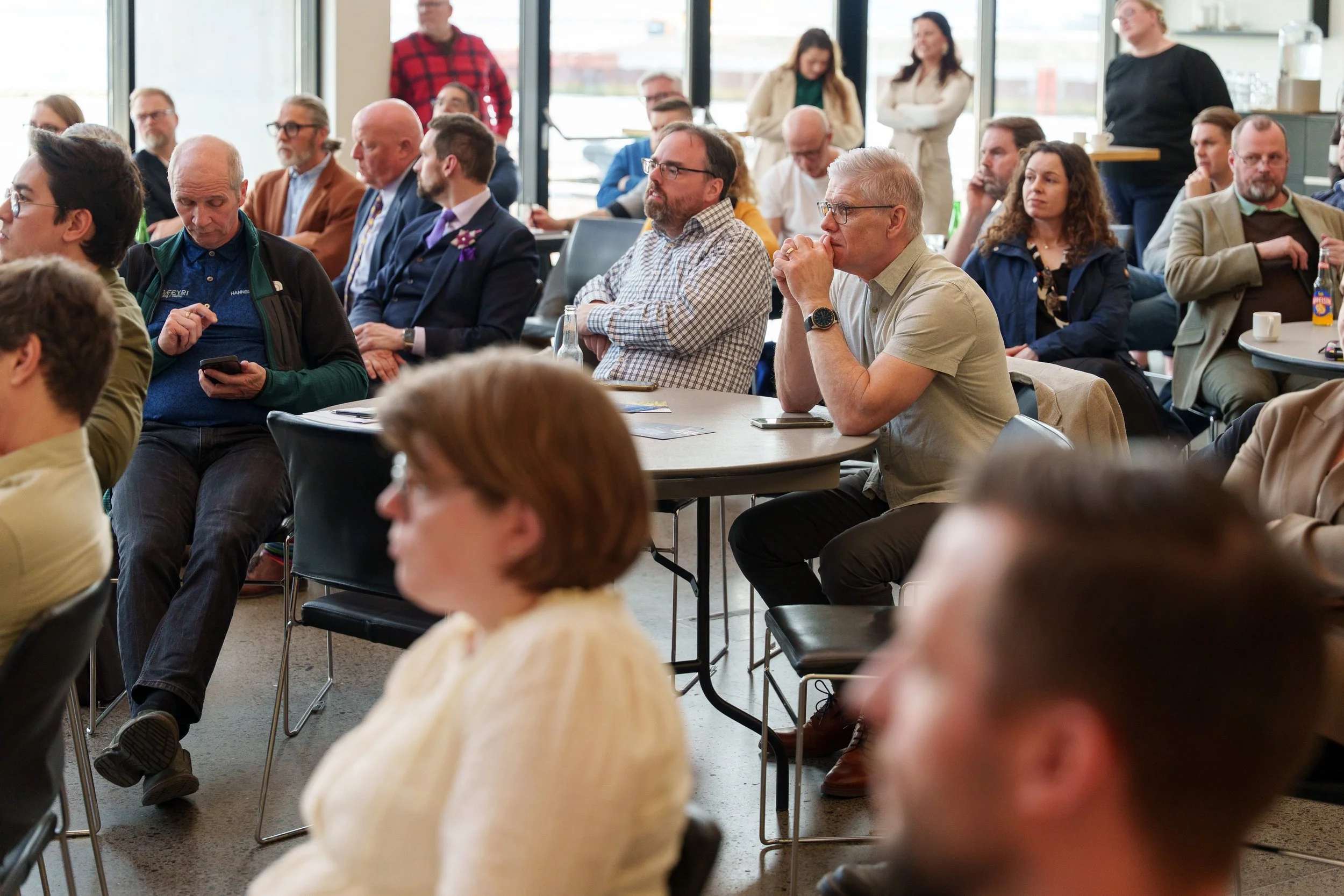
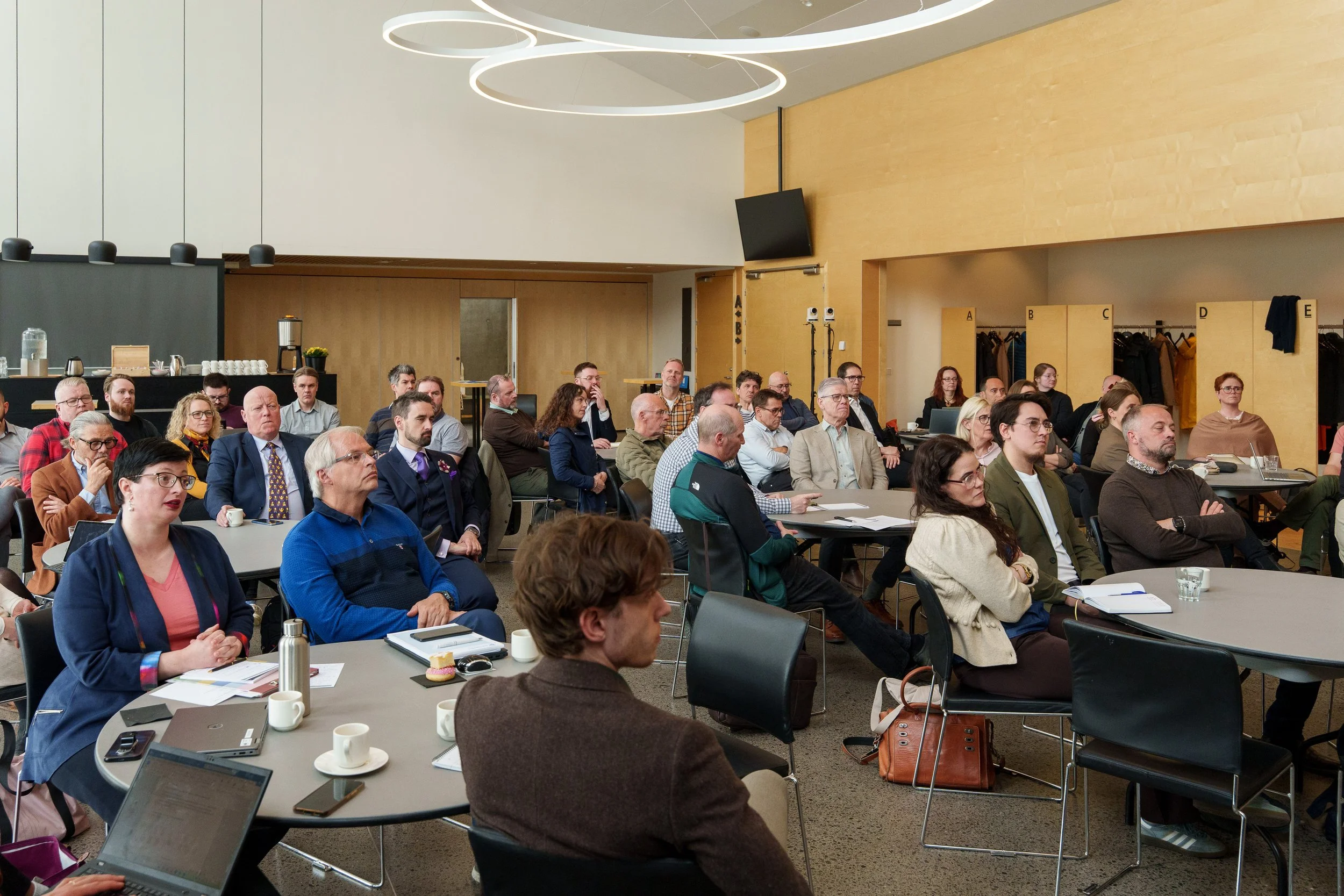
Akureyri Energy Seminar 2025
-
![]()
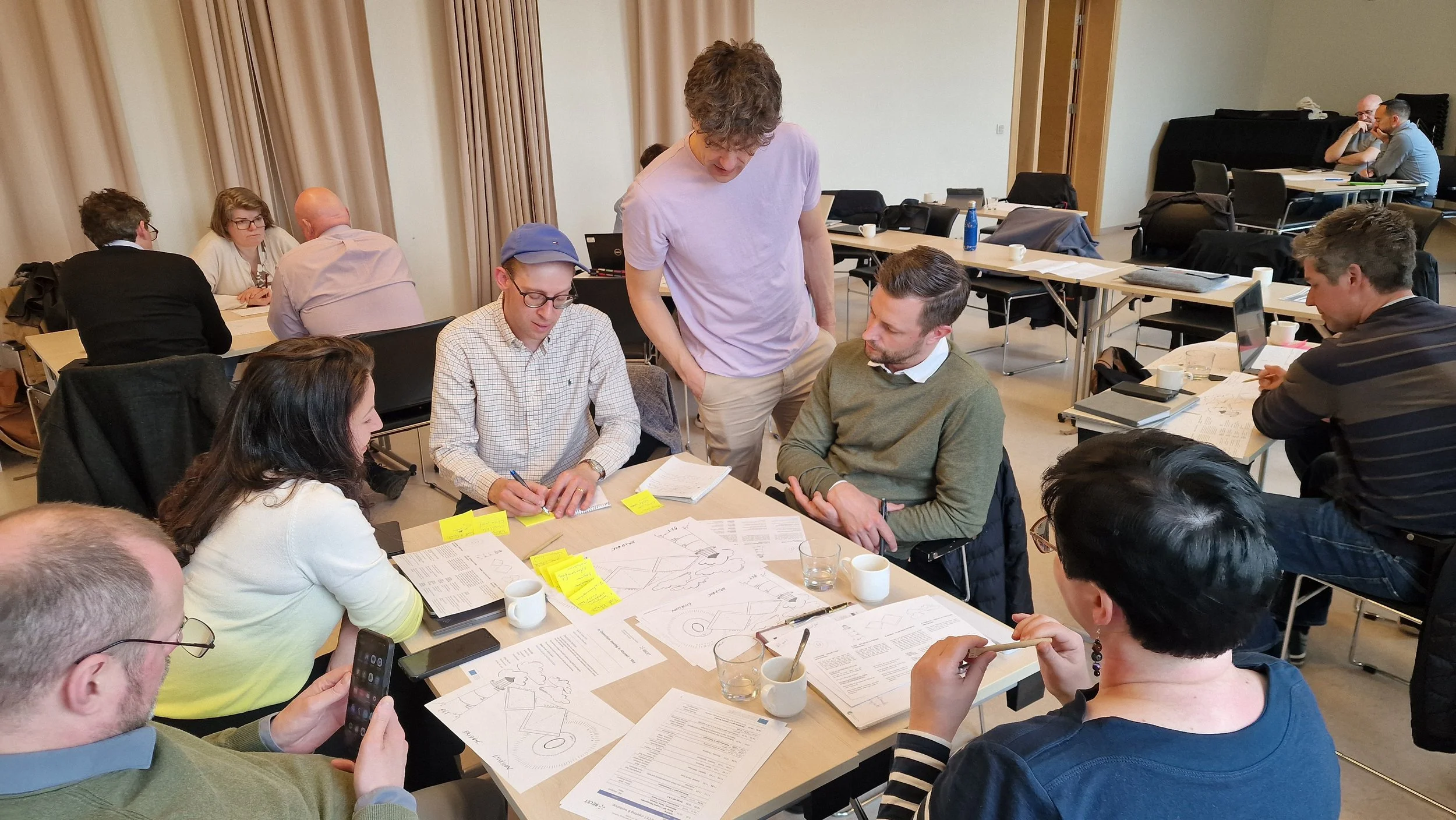
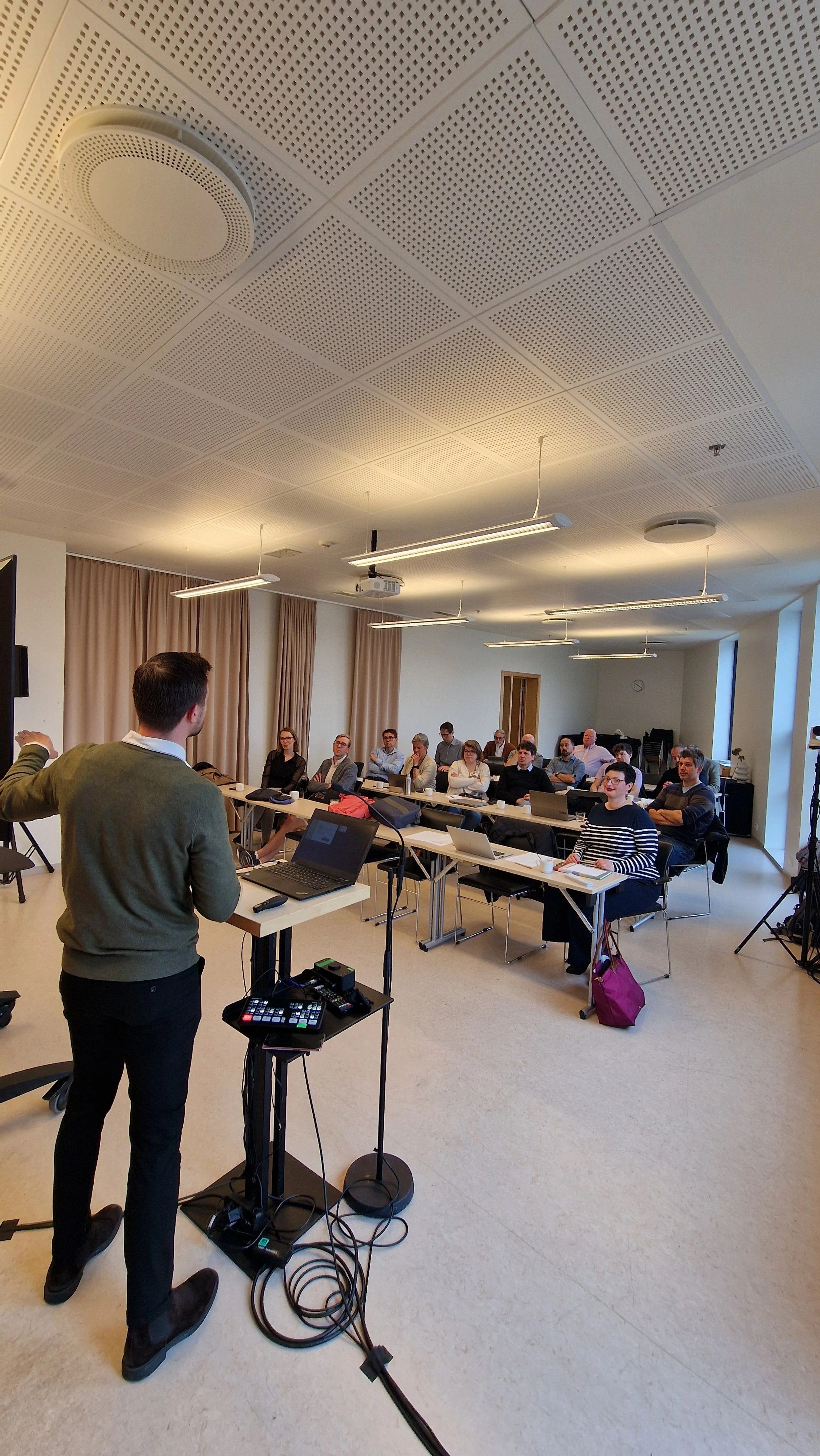
Consortium meeting in Akureyri, Iceland in May 2025
-
![]()
Consortium meeting in Akureyri, Iceland in May 2025
-
![]()
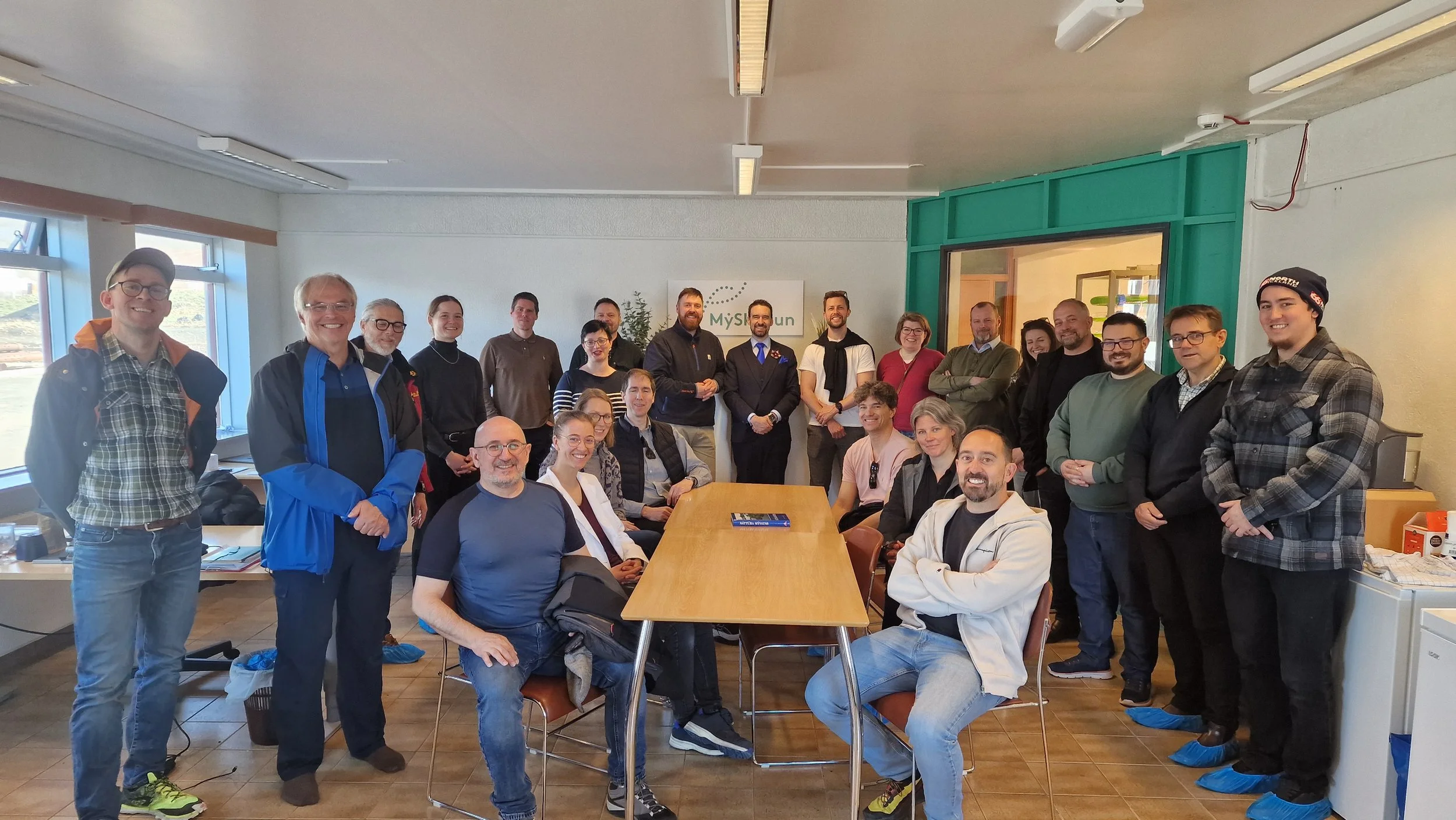
The RECET partners and the NetZero Islands Network visited Mýsköpun an innovative biotech company specializing in microalgae cultivation and research, May 2025
-
![]()
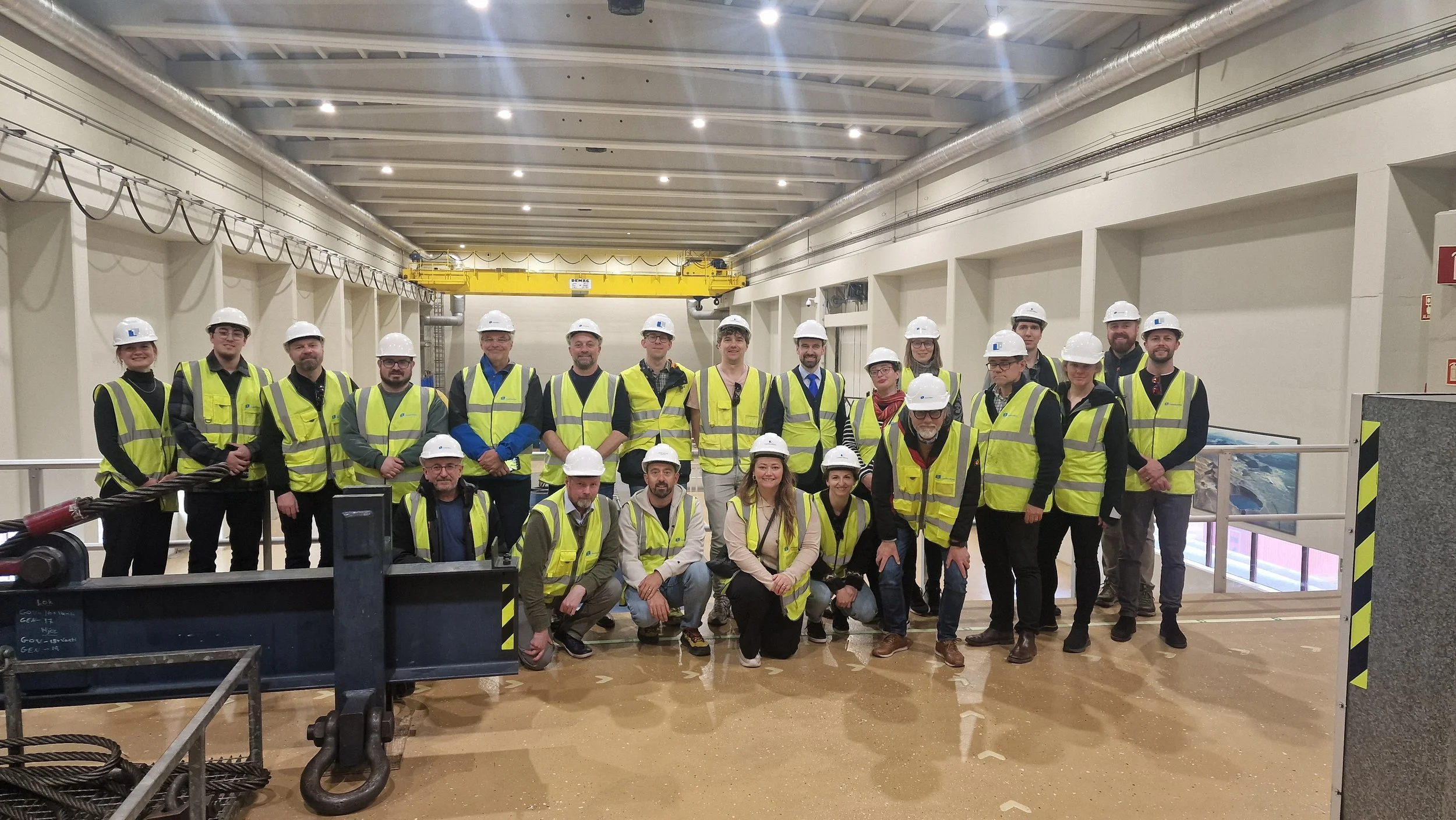
The RECET group and NetZero Islands Network, visited Krafla Geothermal Station, one of Iceland’s key geothermal plants producing around 60 MW of electricity, May 2025
-
![]()
Marianne Ribes from the Icelandic New Energy, Akureyri Energy Seminar May 2025