Sweden
Energy planning has rarely been as important and timely as it
is today - particularly in light of the current geopolitical landscape.
Yet, despite its growing relevance, the focus and engagement in municipal
energy planning often remain limited within each municipality’s own borders.
What if we reframe the question: What kind of neighbour is our municipality?
Instead of only asking what we need from our neighbouring municipalities,
we could also reflect on what we contribute ourselves.
By broadening this perspective, there is an opportunity to strengthen
collaboration across borders. New relationships can be formed, innovative
solutions can emerge, and the confidence to think and act on a larger
scale can grow.
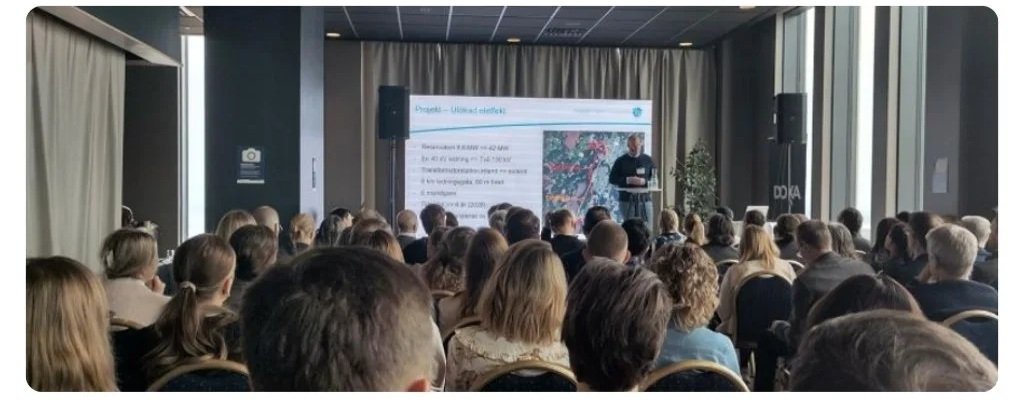
This “neighbouring municipality” perspective is not only a personal takeaway from the Energy Transition in Action conference, it is also embedded in Swedish legislation.
The Act on Municipal Energy Planning states that municipalities should explore opportunities for cooperation with other municipalities and relevant stakeholders, and integrate these into their planning processes.
In other words, collaboration is not only beneficial—it is a legal requirement.